 TRUST VEHICLE
TRUST VEHICLE
TRUST VEHICLE
Choosing the right cargo box truck is rarely about appearance alone. Global buyers must match vehicle size, payload, road conditions, service access, and operating costs. A polished body can still hide weak hinges, poor insulation, or an unsuitable chassis.
Kenny Vieth, president of ACT Research, has observed, “The market is not one market.” That point matters when comparing trucks for different regions. A delivery vehicle working in narrow European streets needs different dimensions from one crossing wide Australian routes. A refrigerated box needs reliable insulation and temperature control. A furniture carrier may need a lower loading height, stronger floor, and a wider rear opening.
This guide examines seven cargo box truck options for international buyers. It considers diesel, electric, and alternative powertrains. It also reviews payload ratings, box construction, cab comfort, safety equipment, and maintenance networks. These details affect daily performance more than impressive brochures.
Real-world inspection remains essential. Look beneath the cargo floor. Check door seals, frame joints, tire wear, and service records. Ask whether replacement parts are available locally. That question is easy to miss.
No single truck wins every route. Some models offer excellent range but limited repair coverage. Others provide rugged durability with higher fuel use. The rankings may also change as battery prices, emissions standards, and freight patterns evolve. That uncertainty deserves attention. A careful buyer should compare verified specifications with local operating experience before placing an order.
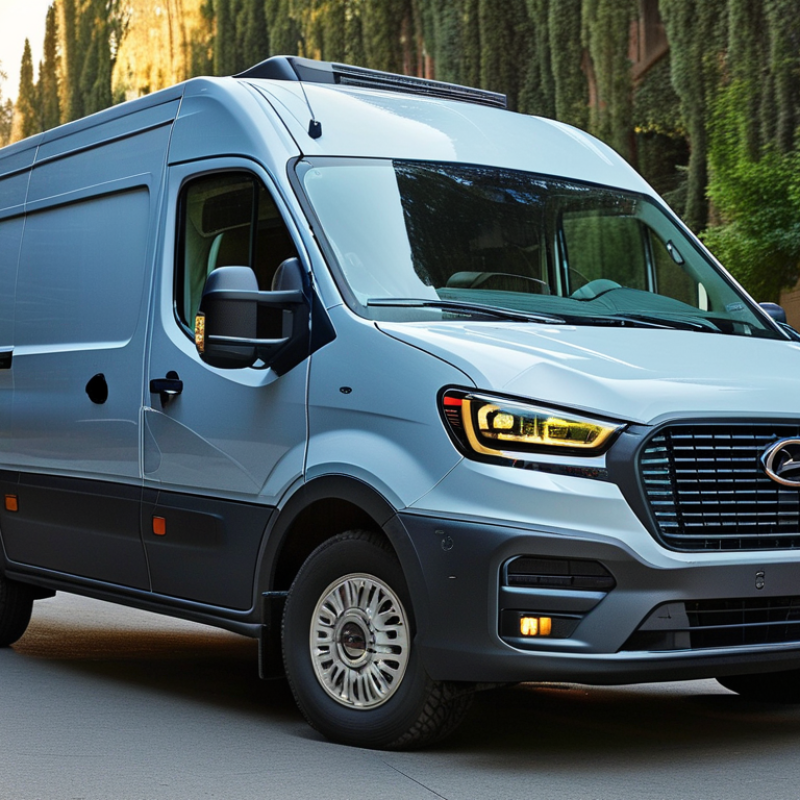
Cargo Box Trucks: Definition, Uses, and Global Market Overview
A cargo box truck has a separate enclosed body mounted behind the cab. It protects cartons, tools, furniture, and temperature-sensitive goods from rain and dust. Common choices include light-duty city trucks, medium-duty distribution trucks, refrigerated bodies, liftgate models, and high-roof configurations. The best seven options depend on payload, road access, body volume, and service support. Urban deliveries are driving demand. UN DESA’s World Urbanization Prospects projects that 68% of the global population will live in cities by 2050. That shift favors compact trucks with tight turning circles and frequent-stop durability.
Global buyers should compare more than engine size. The World Bank’s Logistics Performance Index 2023 evaluates 139 economies and highlights customs, infrastructure, shipment quality, and delivery timeliness. These factors affect operating costs after purchase. The IEA’s Global EV Outlook 2024 reports almost 60,000 electric truck sales in 2023. Electric box trucks may suit short urban routes, but charging access remains uneven. A spreadsheet can look convincing, yet real payload and idle time may expose weak assumptions. Regional axle limits and body standards also require careful checking.
Tips: Measure the loading bay before choosing body length. Confirm payload after refrigeration equipment or a liftgate is installed. Request service intervals, warranty coverage, and parts availability in the destination market. Test the truck on actual routes, not only on a clean dealership yard. Small details matter.
A cargo box truck is a rigid commercial vehicle with an enclosed body designed to protect goods from weather, dust, theft, and handling damage. The following selection compares widely used truck configurations by payload, cargo volume, operating environment, and suitability for international buyers.
| Rank | Cargo Box Truck Configuration | Typical GVWR | Typical Payload | Typical Box Volume | Best Use | Main Advantages | Key Limitations | Global Buyer Considerations |
|---|---|---|---|---|---|---|---|---|
| 1 | Compact Urban Box Truck | 3.5–5.0 tonnes | 1.2–2.5 tonnes | 12–25 m³ | Last-mile delivery, retail distribution, parcel transport, and city-center routes. | Easy urban maneuverability, lower purchase and operating cost, and access to many light-commercial driving categories. | Limited payload and cargo volume; smaller wheelbase versions may have restricted loading height. | Check local driving-licence rules, axle limits, body dimensions, emissions standards, and loading-zone restrictions. |
| 2 | Medium-Duty 7.5-Tonne Box Truck | 7.5 tonnes | 3.0–4.0 tonnes | 30–45 m³ | Regional distribution, furniture delivery, wholesale routes, and mixed urban–highway operations. | Strong balance between payload, cargo space, fuel economy, and road accessibility. | May require a higher commercial driving licence and can face city access restrictions. | Compare cab-over and conventional layouts, service availability, road-tax categories, and regional safety equipment requirements. |
| 3 | Medium-Duty 10–12-Tonne Box Truck | 10–12 tonnes | 5.0–7.0 tonnes | 40–55 m³ | Intercity freight, palletized goods, beverage distribution, and high-frequency regional logistics. | Higher payload capacity, better highway performance, and compatibility with liftgates or side-loading equipment. | Higher fuel use and maintenance cost than light-duty trucks; less suitable for narrow urban streets. | Confirm axle configuration, legal dimensions, braking standards, tachograph rules, and local payload calculation methods. |
| 4 | Heavy Rigid 18-Tonne Box Truck | 16–18 tonnes | 8.0–10.0 tonnes | 55–70 m³ | Longer regional routes, industrial components, construction supplies, and multi-pallet freight. | High payload, stable highway handling, and good operating efficiency for consolidated loads. | Requires experienced drivers, larger loading areas, and higher infrastructure capacity. | Evaluate road-weight limits, ferry and toll classifications, suspension type, and availability of heavy-vehicle workshops. |
| 5 | Heavy Rigid 24–26-Tonne Box Truck | 24–26 tonnes | 12–16 tonnes | 70–90 m³ | High-volume domestic freight, depot-to-depot distribution, dense pallet loads, and industrial logistics. | Excellent payload-to-trip ratio and reduced number of trips for high-volume freight. | Restricted access in many urban areas, greater turning radius, and higher acquisition and operating costs. | Check national maximum gross mass, axle spacing rules, road permits, parking availability, and loading-dock compatibility. |
| 6 | All-Wheel-Drive or 4x4 Box Truck | 7.5–15 tonnes | 3.0–8.0 tonnes | 25–60 m³ | Mining supply, rural distribution, disaster response, agricultural areas, and routes with poor road surfaces. | Improved traction, ground clearance, and access to remote or seasonal roads. | Higher fuel consumption, tire cost, drivetrain complexity, and usually lower payload than an equivalent 4x2 model. | Assess local terrain, spare-parts supply, tire availability, water-wading requirements, and operator training needs. |
| 7 | Temperature-Controlled Box Truck | 7.5–26 tonnes | 2.5–14 tonnes | 25–85 m³ | Food, pharmaceuticals, flowers, frozen products, and other temperature-sensitive cargo. | Protects cargo quality, supports multi-temperature distribution, and enables compliance with cold-chain procedures. | Insulation and refrigeration equipment reduce usable payload; higher fuel, maintenance, and monitoring costs. | Verify required temperature range, ATP or equivalent certification, refrigeration power source, data logging, and local food or medical regulations. |
Note: Specifications are representative international market ranges for common rigid box-truck configurations. Actual payload depends on chassis weight, body construction, axle limits, equipment, fuel, crew, and local regulations. Always confirm homologation, dimensions, emissions compliance, and permitted gross mass before purchase or import.
: It has a separate enclosed body behind the cab. The box protects cartons, tools, furniture, and sensitive goods from rain and dust. It can use a dry body, refrigerated body, liftgate, or high roof.
Parcel delivery, furniture transport, equipment service, and local distribution businesses use them. Urban routes often favor compact trucks with tight turning circles. Frequent stops require durable brakes, doors, and suspension. Small details matter.
Start with daily cargo weight, box volume, road width, and parking space. Measure warehouse doors, loading bays, ramps, and turning areas. A larger truck may waste fuel on light urban routes. A smaller truck may struggle with dense equipment.
Not always. The box, liftgate, refrigeration unit, tools, driver, and passengers reduce usable payload. Check the remaining capacity after every installed option. Brochure figures can look convincing. That assumption may fail.
Confirm gross vehicle weight, axle limits, body width, emissions rules, and cab position. Regional width limits may differ significantly. Import documents can include the vehicle identification number, invoice, packing list, origin certificate, and conformity papers. A missing document may delay registration for weeks.
They may suit short routes with predictable daily mileage. Charging access remains uneven across regions. Study route length, charging time, payload, weather, and parking conditions. Do not rely only on a spreadsheet. Test actual operations.
Hot coastal regions need strong cooling, air conditioning, and corrosion protection. Cold regions can create battery and fuel-quality concerns. Refrigerated bodies need suitable insulation and temperature controls. Local technician training also matters.
Inspect the chassis for corrosion, uneven wear, and repaired damage. Test the brakes, lights, cooling system, reversing camera, and doors. Request service records, warranty terms, parts availability, and service intervals. Test the truck on real delivery routes. A clean yard is not enough.
Maintenance, tires, downtime, fuel, charging, and unavailable replacement parts can raise costs. Driver comfort also affects daily performance. Leave practical reserve capacity for unpredictable loads. I once focused too much on engine power. That was a mistake.
A cargo box truck is a practical commercial vehicle designed to transport protected, organized loads in urban, regional, and long-distance operations. This article explains its main uses, including delivery services, retail distribution, moving support, and temperature-sensitive logistics when properly equipped. It also reviews the key specifications that global buyers should compare, such as payload capacity, cargo volume, body dimensions, fuel or energy type, drivetrain, maneuverability, safety systems, durability, maintenance needs, and driver comfort.
The guide presents seven leading cargo box truck options based on different business requirements, from compact city delivery to higher-capacity regional transport. It also highlights important regional considerations, including vehicle classification, import documentation, emissions standards, road limits, taxation, insurance, service availability, and operating conditions. By evaluating route length, load type, climate, infrastructure, budget, and expected utilization, buyers can select the best cargo box truck for reliable performance, efficient ownership, and compliance with local requirements.
