
TRUST VEHICLE TRUST VEHICLE

China Best Cargo Van Box Truck Manufacturers?

Time:2026-09-27 Author:Isabella
0%

Choosing among China’s cargo van box truck manufacturers takes more than comparing prices or polished product photos. Buyers should begin with the work itself: daily route length, typical cargo weight, loading frequency, and available parking space. These details shape the right chassis, body length, axle configuration, and rear-door design. A box that looks roomy in a showroom may become awkward on narrow streets. Small details matter. Ask for a written specification sheet showing usable interior dimensions, rated payload, powertrain options, braking equipment, and warranty coverage. Confirm which parts are available and how service requests are handled after delivery. Real support counts.

This guide assesses manufacturers through practical evidence, not a universal ranking. It considers production experience, quality-control procedures, customization capability, export documentation, and the clarity of technical responses. Request recent inspection records, photos of finished vehicles, and references from buyers with similar operating needs. Where possible, review a sample unit or arrange an independent pre-shipment inspection. A lower quotation can leave out useful equipment, while an upgraded body may reduce payload. That trade-off deserves a second look. Compare corrosion protection, floor strength, door seals, and ease of cleaning, especially when vehicles operate in wet weather or carry fragile goods. No supplier is perfect. The strongest choice is one that explains its limitations, supports its claims with records, and matches the truck to a clearly defined job. Use this overview to shortlist candidates and ask sharper questions before committing.
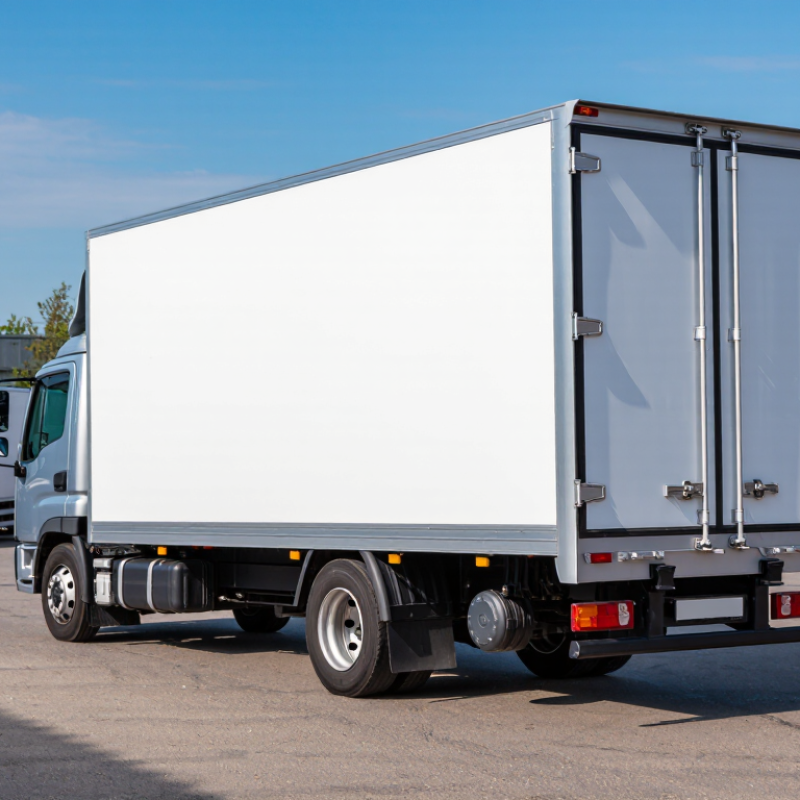
China Best Cargo Van Box Truck Manufacturers?

What Cargo Van Box Trucks Are and How They Are Used

Cargo van box trucks are enclosed vehicles designed to keep tools, parcels, and equipment protected from weather. A cargo van has an integrated body, with the driver’s cab and cargo area forming one vehicle. A box truck typically uses a separate, rectangular cargo body mounted on a chassis. It often has a wide rear door, and some configurations include a liftgate.

These vehicles serve different daily needs. Vans suit maintenance teams carrying tools through tight streets, while box trucks offer more room for furniture, appliances, or grouped deliveries. The U.S. Department of Transportation’s Bureau of Transportation Statistics reported that trucks carried 72.6% of U.S. freight by weight in 2022, in its Freight Facts and Figures 2023 report. That figure covers trucks broadly, not just vans or box trucks, but shows their place in freight movement. The fit is not always perfect: a larger box body can be awkward at crowded loading bays.

Tips: Match cargo space to typical loads, not the biggest load you might carry once. Check interior height, door opening, payload rating, and loading access. A tape measure and a sample load can reveal issues a brochure misses. Also consider parking and turning space on your actual routes.

Cargo Van and Box Truck GVWR Class Limits

Cargo vans and box trucks serve different delivery and transport needs, from local parcel routes to heavier commercial hauling. This chart shows the upper GVWR limit for each U.S. vehicle class shown. GVWR is the maximum allowed weight of the vehicle, passengers, fuel, and cargo combined; it is not the vehicle’s payload capacity. Actual ratings vary by vehicle configuration.

How Chinese Manufacturers Design and Build Cargo Van Box Trucks

China’s commercial-vehicle scale gives box-truck makers a broad engineering base, but output alone does not prove quality. The China Association of Automobile Manufacturers reported 4.03 million commercial vehicles sold in 2024, up 10.4% year over year. That scale supports specialized suppliers for frames, panels, insulation, and door hardware. Design begins with the job: payload, route surface, loading frequency, and required interior volume. Small details matter.

Engineers match the chassis and body structure, then check axle loads, frame stress, and weight distribution. The U.S. Department of Energy’s fueleconomy.gov guidance says a 10% vehicle-weight reduction can improve fuel economy by 6–8%. This makes lighter panels and carefully designed supports attractive, though strength and repairability still matter. Not every gram is worth saving. Builders typically assess fit, door sealing, drainage, and electrical connections before delivery; road testing can reveal rattles or uneven door gaps that a factory inspection misses. A sound design also leaves practical access to wiring and service points. These choices differ by use case, so buyers should compare tested payload and body specifications, not appearance alone. One compromise remains: lightweight construction can be harder to repair in remote areas.

China Best Cargo Van Box Truck Manufacturers? - How Chinese Manufacturers Design and Build Cargo Van Box Trucks

Design or Build Area Typical Engineering Approach Representative Data or Check Why It Matters
Vehicle and chassis selection Match the cab-chassis or cutaway platform to the intended body size, payload, route, and operating conditions before designing the box. Specify the chassis model, wheelbase, gross vehicle weight rating (GVWR), axle ratings, and available frame dimensions for each configuration. The body must fit the chassis and keep finished vehicle weight and axle loads within their rated limits.
Box body dimensions Set body length, interior width, and interior height around cargo requirements and the selected chassis. Box bodies around 10–16 ft (3.0–4.9 m) long are common on many light- and medium-duty cutaway or van-based applications. Actual usable dimensions vary by model and body design. Interior dimensions determine cargo capacity, while overall dimensions affect maneuverability and route access.
Payload and weight distribution Estimate body, equipment, and cargo weights; position heavy items to manage axle loading and handling. Payload is generally calculated as GVWR minus the completed vehicle’s actual operating weight. Confirm individual axle loads against the chassis ratings. A box size alone does not establish payload. Added equipment, occupants, and cargo all contribute to vehicle weight.
Subframe and mounting Design mounting points and any subframe to suit the chassis frame and intended service conditions, allowing for appropriate frame movement. Review mounting locations, fasteners, clearances, and load paths against the chassis manufacturer’s body-builder information. Correct mounting helps transfer loads safely and reduces the risk of frame or body damage.
Panels, floor, and structure Choose panel and floor materials based on payload, durability, corrosion exposure, cleaning needs, and insulation requirements. Common design choices include metal or composite wall panels, a reinforced floor, and structural members sized for the intended loading. Material and reinforcement choices affect body weight, service life, maintenance, and usable payload.
Doors and cargo access Configure rear or side access to suit loading methods, delivery locations, and cargo dimensions. Check opening dimensions, door swing or roll-up clearance, latches, seals, and access to the cargo area. Suitable access can make loading more efficient and help protect cargo from weather and road spray.
Optional equipment Integrate equipment such as a liftgate, shelving, tie-downs, steps, or temperature-control components during the design stage. Record each item’s weight, power requirements, mounting points, and effect on axle loads and available cargo space. Equipment added after the initial design can change vehicle weight, electrical demand, and load distribution.
Electrical and lighting Plan body wiring, connectors, lamps, and protective routing to work with the selected chassis electrical system. Verify operation of required lighting and signals and check that wiring is secured and protected from abrasion, moisture, and heat. Reliable connections and correctly functioning lights support safe operation and easier maintenance.
Manufacturing and assembly Typical production steps include engineering review, material cutting, panel and frame fabrication, body assembly, chassis mounting, and equipment installation. Use controlled drawings, defined assembly procedures, and inspection records for the specific vehicle configuration. Documented processes help maintain consistency across builds and make defects easier to identify.
Final inspection and compliance Inspect the completed vehicle and confirm that applicable vehicle regulations and chassis-upfitter requirements have been addressed. Check dimensions, fasteners, doors, seals, lighting, electrical functions, and completed vehicle weights. Applicable requirements depend on the destination market and vehicle configuration. Requirements differ by jurisdiction; buyers should request configuration-specific compliance documents and inspection records.

Note: Dimensions and design practices shown are general reference points, not specifications for every vehicle. Confirm final measurements, ratings, and regulatory requirements with the documentation for the exact chassis and completed truck.

Key Criteria for Evaluating Cargo Van Box Truck Manufacturers in China

China Best Cargo Van Box Truck Manufacturers?

Choosing a cargo van box truck manufacturer in China starts with matching the vehicle to its daily work. Share the expected cargo weight, loading method, route conditions, and required interior dimensions. A supplier should explain how its proposed chassis, axle capacity, and box structure fit those needs, rather than relying on a catalog image. Ask for dimensioned drawings and a clear list of included equipment. Details matter.

Inspect the engineering around the box, not just its exterior. Check door clearance, floor finish, wall joints, wiring protection, and how water is kept out. Request production and inspection records, plus details on materials and quality checks. If possible, review a finished vehicle or arrange a practical inspection. Test it loaded. An unloaded demonstration may hide flex, poor access, or awkward cargo handling. Specifications can look neat on paper; real loading is less tidy.

Reliable communication matters after delivery, too. Ask how defects are reported, what replacement parts are available, and whether technical support can explain repair procedures. Compare responses for detail and consistency, not speed alone. No checklist catches everything, and buyers can misjudge their own operating needs. Revisit the payload and route assumptions before approving a build, especially when equipment or cargo dimensions may change.

Notable Cargo Van Box Truck Manufacturers in China

China’s cargo van box truck manufacturers include vehicle makers, specialist body builders, and companies that integrate chassis, box bodies, and interior fittings. Their capabilities vary. Some focus on compact urban delivery trucks, while others build larger boxes for regional freight. A useful comparison looks beyond catalog photos: inspect chassis compatibility, body-panel joints, door seals, floor material, and the stated payload. These details affect daily loading and maintenance. Ask for production records and a clear specification sheet. A polished showroom vehicle is not enough evidence.

Tips: Request close-up photos of hinges, corner seals, and underbody protection. Confirm dimensions and payload in writing. If possible, inspect a finished vehicle or arrange an independent quality check.

For buyers evaluating notable manufacturers, ask how the company handles customization, parts supply, and warranty claims. Get lead times and acceptance criteria documented before placing an order. A short road test can reveal rattles, poor visibility, or awkward door access. Small issues matter when drivers make repeated stops. Supplier descriptions can sound alike, and I would not treat a single sample as proof of consistent quality. Check more than one vehicle when production volume allows.

Market Trends, Regulations, and Buyer Considerations

Demand for cargo vans and box trucks is changing as retailers seek faster urban delivery and smaller fleets. Buyers increasingly compare fuel use, electric range, payload, and service access. Electric models can suit predictable city routes, but charging time and cold-weather range need real-world checks. Diesel or gasoline vehicles may fit longer routes where charging remains limited. Trends are not guarantees.

Regulations differ by location and vehicle class. Check permitted gross vehicle weight, dimensions, emissions rules, and required safety equipment before ordering. Payload figures can be misleading if shelving, liftgates, or refrigeration units are added later. Ask for the completed vehicle’s rated payload, not just the base chassis figure. Review warranty terms and parts availability, too. A low purchase price can hide downtime costs. Paperwork is dull, but it matters.

Tips

Map a typical week of routes and record distance, stops, cargo weight, and idle time. Compare those details against written specifications. Have a qualified technician inspect the vehicle and conversion work before delivery. Keep a small buffer for unexpected repairs; forecasts are imperfect, and mine can be, too.

FAQS

What is a cargo van box truck?

A cargo van has one integrated body for the cab and cargo area. A box truck uses a separate rectangular body on a chassis. Both protect tools, parcels, and equipment from rain. The difference matters.

When is a cargo van more practical than a box truck?

A cargo van works well for maintenance crews and narrow city streets. Its integrated body is easier to maneuver and park. It suits tools, parts, and smaller daily loads. Do not choose extra space without need.

What goods are better suited to box trucks?

Box trucks offer more room for furniture, appliances, and grouped deliveries. Many include wide rear doors or a liftgate. Their larger body can simplify repeated loading. Crowded loading bays may still be difficult.

How should buyers choose the correct cargo size?

Match the vehicle to typical loads, not one unusually large shipment. Check interior length, width, height, and door opening. Measure a real sample load with a tape measure. Brochures can miss awkward details.

What specifications should buyers check before ordering?

Review payload rating, axle loads, weight distribution, and chassis compatibility. Also inspect floor material, door seals, hinges, drainage, and wiring access. Ask for written dimensions and body specifications. Looks are not enough.

How do manufacturers design these vehicles for different jobs?

Engineers consider payload, road surfaces, loading frequency, and interior volume. They match the cargo body with the chassis structure. They also test frame stress and axle loading. Small details affect daily reliability.

Can lighter construction improve operating efficiency?

Lower vehicle weight may improve fuel economy. However, lighter panels can be harder to repair in remote areas. Strength, repair access, and serviceability still matter. Saving every kilogram is not always wise.

How can buyers evaluate a manufacturer’s production quality?

Request production records, detailed specifications, and documented acceptance criteria. Inspect several finished vehicles when possible, not just one sample. Check corner seals, underbody protection, hinges, and door alignment. One vehicle proves little.

What testing should happen before delivery?

A road test can reveal rattles, poor visibility, uneven doors, and awkward access. Test loading with the actual equipment or parcels. Check parking and turning on real routes. Test it properly.

What should buyers clarify about after-sales support?

Confirm parts supply, customization limits, warranty procedures, and delivery times. Put responsibilities and inspection standards in writing. Ask how damaged panels or hardware will be handled. I would not rely on promises alone.

Conclusion

A cargo van box truck combines a van-style cab with an enclosed cargo body, providing a practical option for deliveries, service work, and local distribution. Its size and layout can make it easier to maneuver than a larger truck while offering more protected storage than an open vehicle. Chinese manufacturers typically develop these vehicles by selecting a suitable chassis, designing the cargo compartment, and integrating features such as insulation, shelving, lift equipment, or customized access points to meet different operating needs.

When evaluating manufacturers in China, buyers should compare build quality, materials, production capabilities, customization options, after-sales support, and the clarity of technical documentation. They should also consider vehicle specifications, intended routes, payload requirements, and applicable import, safety, and emissions rules in the destination market. Industry trends such as lightweight construction, improved fuel efficiency, and electrification are shaping product development. A careful review of samples, factory processes, warranties, and delivery terms can help buyers identify a suitable supplier and vehicle configuration.

Isabella

Isabella

Isabella is a dedicated marketing professional with a sharp focus on driving brand growth and engagement through strategic content creation. With an extensive background in digital marketing, she combines her passion for storytelling with her keen understanding of industry trends to deliver......