Finding used cargo box trucks for sale worldwide can open practical opportunities for delivery companies, contractors, and growing businesses. These vehicles offer enclosed storage, weather protection, and flexible loading space without the cost of a new truck. However, international buying requires more than comparing photographs and advertised prices. A truck may look clean online but hide frame corrosion, transmission wear, or water damage behind the cargo box.
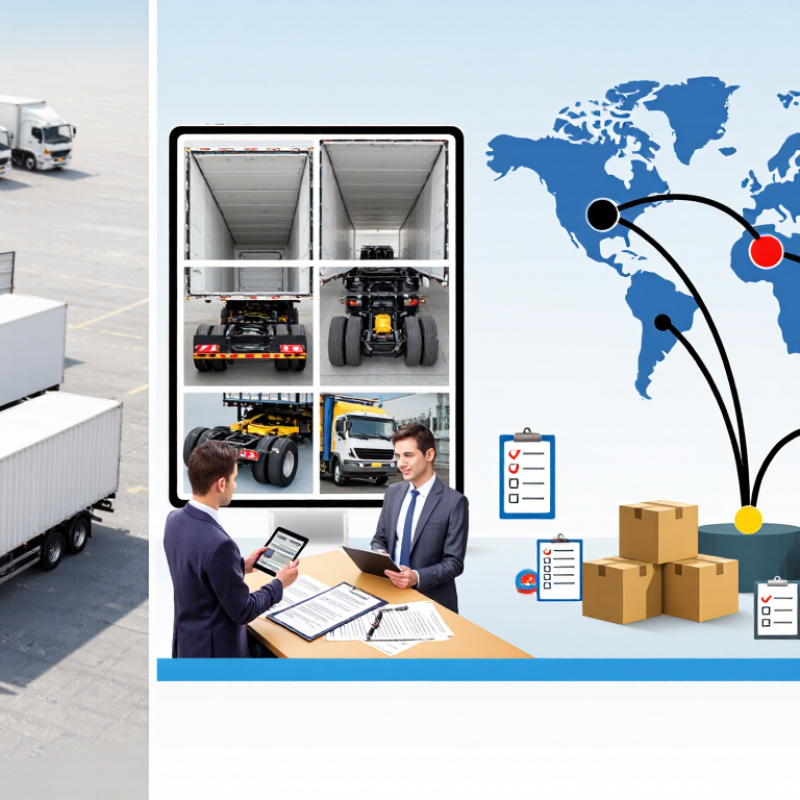
Reliable research begins with established dealers, commercial vehicle marketplaces, fleet owners, and reputable auction platforms. Check the vehicle identification number, maintenance records, mileage history, ownership documents, and inspection reports. Ask for clear images of the chassis, tires, loading floor, doors, liftgate, and engine compartment. A short cold-start video can reveal smoke, unusual noise, or slow starting. It is not perfect evidence, but it is useful.
Compare the truck’s payload, box dimensions, engine type, fuel use, and service history with your daily work. Also confirm shipping arrangements, import requirements, inspection standards, and local registration rules before making payment. These details vary by destination and can change unexpectedly. Do not rely on a low price alone. A cheaper truck may need tires, brakes, refrigeration repairs, or structural work soon after arrival.
Experienced buyers still make mistakes. I would not treat every dealer rating as proof of quality, because reviews can be incomplete or outdated. Speak with the seller directly, request independent inspection, and keep every agreement in writing. With careful verification and realistic budgeting, used cargo box trucks for sale can become dependable assets rather than expensive surprises.
Define Needs with NTEA GVWR Classes 2–8 and 10–26-Foot Box Sizes
Finding a used cargo box truck starts with payload, not appearance. NTEA’s Truck Equipment Guide places Class 2 trucks at 6,001–10,000 pounds GVWR. Class 3 covers 10,001–14,000 pounds. Classes 4 and 5 reach 16,000 and 19,500 pounds. Class 6 extends to 26,000 pounds, while Class 7 reaches 33,000 pounds. Class 8 exceeds 33,000 pounds. These limits include the truck, cargo, passengers, fuel, and equipment. A clean box does not make an overloaded chassis safe.
Box length changes daily usability. A 10-foot body suits compact urban deliveries and narrow loading areas. A 12- or 14-foot box offers better balance for mixed cargo. A 16-foot body can handle pallets, shelving, and liftgate work. Larger 20- to 26-foot boxes need wider turning space and stronger route planning. Data from the NTEA Commercial Vehicle Market Trends report shows that body configuration and vocational use strongly influence equipment demand. The report is useful, but it does not replace a physical inspection.
When comparing used trucks worldwide, record the exact GVWR plate, axle ratings, interior dimensions, and payload history. Check floor moisture near the rear doors. Inspect door seals, frame rails, suspension, and liftgate mounts. Odometer readings can mislead. Service records matter more. A Class 6 truck may appear practical, yet local road limits, import rules, and repair access can change the decision. I would leave room for doubt: an extra two feet of box length is not always extra value.
Search Global Marketplaces Using VIN, Mileage, Year, and Payload Filters
Finding a used cargo box truck worldwide becomes easier when your search starts with measurable facts. Use the vehicle identification number (VIN) to check identity, ownership records, accident history, and maintenance entries. A matching VIN on the chassis, cab, and documents is essential. Do not trust a blurred photograph. Mileage needs context. A truck showing 180,000 miles may be healthier than one showing 90,000 miles with neglected service. Compare mileage with engine hours, tire wear, brake condition, and inspection records. Year filters narrow results, but age alone cannot predict working value. Older trucks may have repaired bodies and reliable drivetrains, while newer vehicles may hide heavy commercial use.
Tips: Set a realistic payload range before contacting sellers. Confirm whether payload means legal cargo capacity or a seller’s estimate. Ask for axle ratings, box dimensions, liftgate details, and loading photographs. Save screenshots showing the price, location, currency, and listing date. A simple spreadsheet prevents confusion across time zones.
When searching global marketplaces, filter by country and delivery port alongside vehicle specifications. Request a cold-start video, dashboard warning-light images, and a recent underbody inspection. Independent inspection is valuable when the seller is far away. In practical buying work, small defects often appear later, including water stains, weak door seals, or uneven box floors. That omission may be careless, not dishonest, but it still affects cost. Check ownership documents, export paperwork, and local import requirements before payment. Currency conversions and transport estimates can change quickly. Leave room for surprises.
Verify 17-Digit VINs, Maintenance Records, and Ownership Documents
Finding used cargo box trucks worldwide requires more than comparing prices. Start with the 17-digit Vehicle Identification Number (VIN) shown on the chassis and registration papers. Photograph it in daylight. Check for altered rivets, fresh paint, uneven spacing, or missing characters. Use an authorized vehicle-history database or the relevant transport authority. Confirm the VIN format, model year, build details, and reported status. A perfect-looking scan is not proof. Some records may be delayed or incomplete.
Ask for maintenance records covering oil changes, brake work, tire replacements, refrigeration equipment, and body repairs. Dates, mileage, workshop details, and invoices should form a believable timeline. Compare the latest odometer reading with inspection reports and service entries. A clean folder can still hide hard use. It is easy to trust tidy paperwork. That assumption can be expensive. Arrange an independent inspection, including a cold start, brake test, frame check, leaks, and box-floor moisture damage.
Ownership documents must match the seller’s identity, VIN, and stated sale authority. Request the current registration, title or equivalent ownership certificate, finance-release evidence, inspection certificate, and export or import paperwork where required. Confirm document authenticity with the issuing authority, not only through emailed copies. Check whether taxes, duties, or registration conditions could affect delivery in your destination. Keep signed invoices, payment evidence, inspection photos, and written promises. If one detail conflicts, pause the transaction and ask precise questions. Sometimes walking away is the safer choice.
Inspect Brakes, Tires, Frame, Box, and FMCSA Safety-Critical Systems
How to Find Used Cargo Box Trucks for Sale Worldwide?
Inspect Brakes, Tires, Frame, Box, and FMCSA Safety-Critical Systems
Before buying a used cargo box truck, inspect it in daylight on level ground. Press the brake pedal slowly. It should feel firm, not soft or sinking. During a road test, watch for pulling, vibration, delayed braking, or unusual noise. Check air pressure systems, brake lines, drums, pads, warning lights, steering, suspension, and exterior lamps. These are safety-critical areas under FMCSA guidance in the United States. Other countries may apply different standards, so confirm local requirements before purchase.
Look closely at every tire. Uneven wear can reveal alignment, suspension, or axle problems. Inspect sidewalls for cuts, bubbles, and old repairs. Check the frame for deep rust, cracked welds, bent rails, and fresh paint hiding damage. The cargo box deserves equal attention. Open and close both doors several times. Look for water stains, soft flooring, damaged seals, weak hinges, and loose interior panels. Small leaks become expensive quickly.
Ask for inspection reports, maintenance records, recall information, and proof of ownership. A qualified commercial-vehicle mechanic should verify the truck independently. Do not rely on a clean appearance. I have learned that polished paint can distract from tired brakes or a weakened frame. Mechanical inspections can still miss hidden faults, especially after poor repairs. Keep a written defect list, estimate repair costs, and leave room for unexpected work. Safety comes before a bargain.
How to Find Used Cargo Box Trucks for Sale Worldwide? - Inspect Brakes, Tires, Frame, Box, and FMCSA Safety-Critical Systems
Comparative inspection worksheet for screening used cargo box trucks before purchase
| Reference ID |
Market / Region |
Model Year |
Odometer |
GVWR |
Cargo Box |
Brake Inspection |
Tire Inspection |
Frame / Chassis |
Box Condition |
FMCSA Safety-Critical Systems |
Estimated Price (USD) |
Overall Screening |
| CBT-001 |
Northeast North America |
2018 |
182,400 mi
293,500 km |
19,500 lb
8,845 kg |
26 ft × 102 in
7.9 m × 2.6 m |
Pass
Rotor thickness within service limit; no air loss detected. |
Monitor
Front tread 6/32 in; rear tread 8/32 in; even wear. |
Pass
No cracks, bends, or active corrosion at rails and crossmembers. |
Good
Dry floor, sealed roof, functional rear door and tie-downs. |
Pass
Service brakes, parking brake, steering, lights, mirrors, and reflectors operational. |
$38,500 |
Recommended |
| CBT-002 |
Western Europe |
2016 |
214,000 km
133,000 mi |
7,500 kg
16,535 lb |
7.2 m × 2.45 m |
Monitor
Brake pads approximately 35% remaining; no fluid leaks. |
Pass
All tires above legal tread minimum; no sidewall damage. |
Pass
Surface oxidation only; alignment and suspension mounts appear sound. |
Fair
Minor side-panel dents; floor shows localized wear near the loading edge. |
Pass
Brake control, steering, lamps, emergency equipment, and visibility items verified. |
€29,800
Approx. $32,400 |
Inspect Before Purchase |
| CBT-003 |
East Asia |
2019 |
96,800 km
60,150 mi |
4,500 kg
9,921 lb |
4.5 m × 2.0 m |
Pass
Pedal response firm; no warning indicators or hydraulic leaks. |
Pass
Tread depth 7 mm average; matching axle pairs and normal wear. |
Pass
No structural deformation or weld repairs visible. |
Good
Insulated panels intact; door seals and interior lighting functional. |
Verify Locally
Core controls pass inspection; local lighting and load-limit certification required. |
$24,700 |
Good Candidate |
| CBT-004 |
Oceania |
2017 |
164,700 km
102,300 mi |
8,000 kg
17,637 lb |
6.1 m × 2.45 m |
Fail—Repair
Rear brake imbalance recorded; parking-brake travel excessive. |
Fail—Replace
One tire below tread requirement; two tires show sidewall cracking. |
Review
Moderate corrosion around rear suspension brackets; thickness test needed. |
Fair
Water staining at front roof seam; floor remains structurally usable. |
Fail—Hold
Brake and tire defects prevent road-service approval until corrected. |
A$31,900
Approx. $21,200 |
Avoid Until Repaired |
| CBT-005 |
Middle East |
2015 |
241,600 km
150,100 mi |
6,500 kg
14,330 lb |
5.4 m × 2.3 m |
Monitor
Discs have heat marks; hydraulic system passed static leak test. |
Monitor
Rear tread 4 mm; uneven wear suggests alignment inspection. |
Pass
No cracks or distortion; surface corrosion treated previously. |
Fair
Sun-aged roof sealant and worn cargo-floor coating. |
Conditional
Core braking and lighting operate; confirm inspection records before export. |
$18,900 |
Negotiate After Inspection |
| CBT-006 |
South America |
2020 |
78,300 km
48,700 mi |
5,000 kg
11,023 lb |
5.0 m × 2.2 m |
Pass
Strong pedal, balanced braking, and no fluid contamination observed. |
Pass
Average tread 8 mm; no puncture repairs or abnormal wear. |
Pass
Rails straight; suspension bushings and mounting points appear intact. |
Good
Clean interior, undamaged floor, working lift-gate controls, and sealed doors. |
Verify Documentation
Safety equipment and controls pass; obtain inspection and maintenance records. |
$35,600 |
Strong Candidate |
Inspection reference:
Brake, tire, steering, lighting, frame, cargo-box, emergency-equipment, and documentation checks should be completed by a qualified technician. FMCSA requirements apply to vehicles operating in the United States; other markets may use different legal thresholds. Prices and vehicle specifications shown are realistic screening examples and should be verified against current inspection records, title documents, import rules, and an independent pre-purchase inspection.
Calculate Landed Cost with Freight, Duties, VAT, and a 10% Reserve
Finding a used cargo box truck for sale worldwide requires more than comparing online prices. The real figure is the landed cost at your receiving location. I check the truck’s purchase price, inland transport, export handling, ocean or road freight, insurance, duties, VAT, port charges, inspection, and local registration.
Use this working formula: landed cost equals purchase price plus logistics, duties, VAT, fees, and a 10% reserve.
For example, a truck costing $22,000 may require $3,800 for transport and handling. If customs duty is 8%, it may apply to the vehicle and freight value, depending on local rules. VAT may then apply to the combined customs value, duty, and selected charges. A $25,800 estimate can quickly exceed $30,000.
Check the customs authority’s current valuation method before paying a deposit. Tax treatment differs between countries and sometimes between vehicle categories. Ask for a written freight quotation, not a rounded message estimate. Confirm chassis numbers, cargo body dimensions, mileage records, inspection documents, and loading restrictions. My early estimates were often too optimistic because storage fees were missing. That mistake is expensive. The 10% reserve helps cover currency movement, port delays, minor repairs, and unexpected paperwork, but it is not a substitute for verified quotations. Keep every assumption in a simple cost sheet. Recalculate it when the exchange rate changes.
Conclusion
Finding used cargo box trucks for sale worldwide begins with clearly defining your operating requirements. Select the appropriate GVWR class, from Classes 2 through 8, and choose a box length between 10 and 26 feet based on cargo volume, route conditions, parking limits, and payload needs. When searching international marketplaces, compare vehicles by verified VIN, mileage, model year, service history, and stated payload rather than relying only on photographs or advertised prices.
Before purchasing, confirm that the 17-digit VIN matches the truck, title, registration, maintenance records, and ownership documents. Arrange a professional inspection covering the brakes, tires, steering, suspension, frame, cargo box, lights, and other safety-critical systems required for commercial operation. Finally, calculate the complete landed cost, including transportation, insurance, duties, VAT, port or handling charges, registration, and inspection fees. Keeping an additional 10% reserve for unexpected repairs or administrative costs can help make the purchase more predictable and financially sound.
 TRUST VEHICLE
