TRUST VEHICLE
TRUST VEHICLE
TRUST VEHICLE
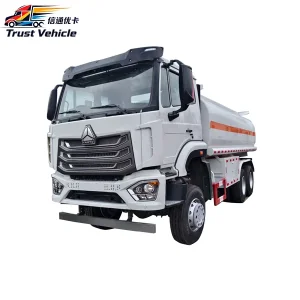
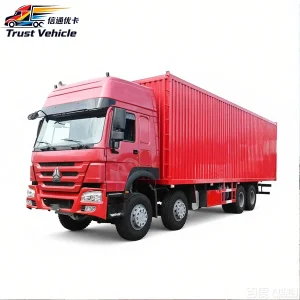
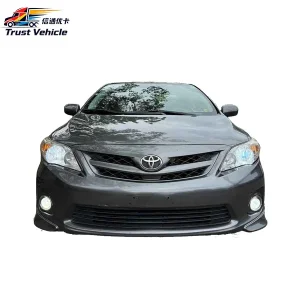
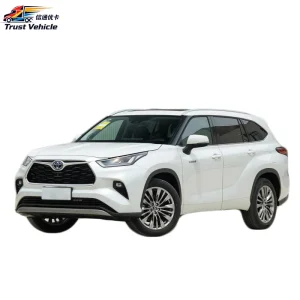
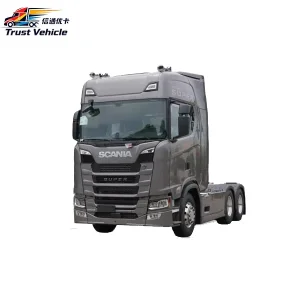
Explore our initial selection of commercial vehicles, including high-capacity tankers, cargo vans, commuter systems, and passenger utilities, sourced and reconditioned through the high-density Beijing-Tianjin-Hebei industrial network.
In global commercial logistics, the acquisition of heavy-duty transport assets requires rigorous alignment with regional regulatory frameworks. When procuring semi tractor trucks for sale, particularly for markets that recognize or enforce European conformity, CE Certification stands as an indispensable indicator of systemic quality, safety, and environmental protection. For logistics companies, fleet operators, and industrial enterprises, importing vehicles without proper compliance certificates creates massive risks, including customs impoundments, legal liabilities, and operations failures.
Regulatory Insight: CE marking verifies that a semi-tractor truck meets essential European directives, encompassing machinery safety (2006/42/EC), electromagnetic compatibility (EMC Directive 2014/30/EU), and structural crashworthiness under ECE R29 cabin safety parameters. This technical framework guarantees driver safety, vehicle stability, and system integration within demanding transport pipelines.
To successfully obtain CE certification, tractor truck manufacturing plants and professional conversion suppliers must implement engineering modifications that align vehicle platforms with stringent global safety guidelines. These adaptations cover several major mechanical and digital subsystems:
Modern fleets demand dual-circuit compressed air brakes integrated with Electronic Braking Systems (EBS), Anti-lock Braking Systems (ABS), and Advanced Electronic Stability Control (ESC) to mitigate rollover risks under variable load weights.
Cabin survival cells are subjected to rigorous static and dynamic pendulum impact testing to ensure a survival space remains intact for the operator during frontal collisions or vehicle rollovers.
On-board computers, telematics units, and engine control units (ECUs) must possess adequate shielding against electromagnetic interference to prevent telemetry failures and critical driveline issues.
Modern procurement departments look far beyond the initial purchase price. Large-scale infrastructure developers, international haulage operators, and mineral logistics firms conduct detailed evaluations based on Total Cost of Ownership (TCO). In this analysis, components like fuel economy, powertrain durability, local maintenance infrastructure, and component swap cycles determine the viability of fleet integration.
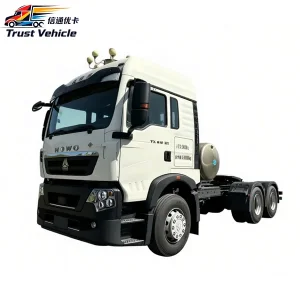
With rising fuel prices and strict emission tax models, the transition toward alternative energy drivetrains has accelerated. As a result, fleet buyers are shifting from traditional heavy diesel models to Liquefied Natural Gas (LNG) and high-efficiency modern common-rail diesel platforms. Vehicles like the Sinotruck HOWO TX 6×4 LNG Tractor Truck offer a vital solution, helping operators cut operational expenses in half while meeting tight environmental requirements.
Expanding shipping capacity with brand-new European-spec machinery often presents challenges, including long manufacturing waitlists and high upfront costs (CAPEX). To navigate these hurdles, global fleet managers often partner with reliable exporters based in China's major automotive clusters. These partners supply, customize, and ship high-quality, pre-owned heavy-duty tractor trucks that meet CE requirements.
Operating within this ecosystem, Shijiazhuang Trust Vehicle Industry Co.,Ltd leverages the vast commercial vehicle cluster in northern China. Established in 2025 in Shijiazhuang, Hebei Province, the company consolidates and reconditions premium heavy-duty trucks from the Beijing-Tianjin-Hebei region. By performing detailed vehicle refitting, system cleaning, and safety certifications, they offer an optimal route for fleet expansion without compromising quality.
Heavy transport networks require specialized configurations to handle demanding payloads, long distances, and difficult terrains. To optimize operations, fleet suppliers customize vehicle specifications for target corridors. These custom layouts ensure proper weight distribution across axles, reduce tire wear, and maintain compliance with local road regulations.
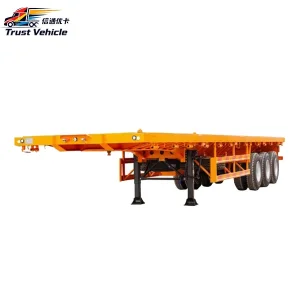
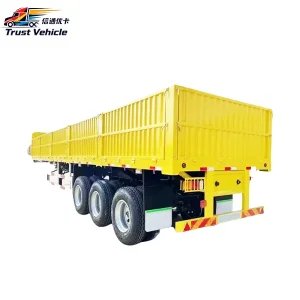
Matching 6x4 tractor platforms with heavy-duty trailing assets, such as flatbed semi-trailers or drop-side container trailers, allows logistics operators to transition seamlessly between marine shipping, rail terminals, and dry ports.
Tractor units paired with specialized tankers, like the HOWO fuel tank truck, require precise pneumatic safety systems and spark arrestors. These additions are vital to meet the safety requirements of international hazardous goods transport (ADR).
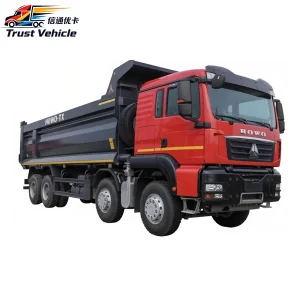
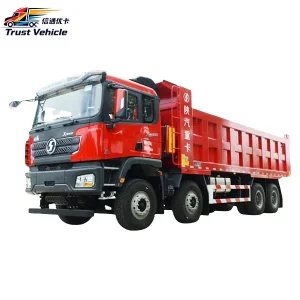
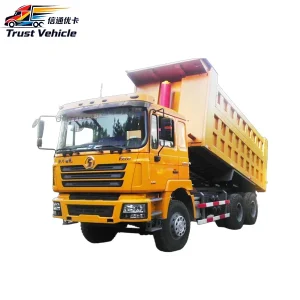
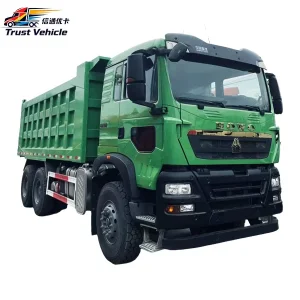
For off-road mining and construction projects, combining heavy dump trucks with multi-axle configurations (such as 8x4 tippers) ensures reliable performance on unstable terrain.
By evaluating variables like maximum slope incline, average road ambient temperatures, and regulatory payload limits, global suppliers configure specific gear ratios, cooling systems, and cabin environments. This customized engineering approach ensures that delivered trucks operate reliably in their target environment from day one.
The strength of a heavy commercial vehicle depends heavily on the support systems behind it. Sourcing vehicles from the Beijing-Tianjin-Hebei cluster gives buyers access to China's most robust heavy machinery supply chain. This concentration of automotive industries ensures a steady supply of premium components, specialized technicians, and modern testing facilities.
Shijiazhuang Trust Vehicle Industry Co.,Ltd acts as a central aggregator within this industrial cluster. The company integrates vehicle sourcing, structural reconditioning, customization, and export logistics into a seamless, single-source solution. Their systematic approach guarantees that pre-owned heavy trucks deliver the performance, reliability, and safety expected of new equipment.
Each commercial vehicle undergoes a comprehensive multi-point diagnostic check before export. This process includes ultrasonic testing of the main chassis rails, engine cylinder compression analysis, gearbox torque testing, complete replacement of aging seals and hoses, and update of pneumatic control modules to meet international safety regulations.
The global logistics industry is undergoing a major transition driven by emission regulations, digital fleet integration, and autonomous driving systems. For companies looking to update their fleets, aligning with these technology roadmaps is essential to avoid purchasing assets that could become obsolete due to shifting regulations.
Modern fleets are increasingly shifting to LNG-powered tractor units. These natural gas platforms significantly reduce nitrogen oxides (NOx) and particulate matter, allowing fleets to meet strict urban emission standards without relying on complex exhaust treatment systems.
Integrated telematics platforms now perform real-time tracking of fuel efficiency, driver habits, and mechanical health. Automated safety additions like Lane Departure Warning (LDW) and Automatic Emergency Braking (AEB) are rapidly becoming standard requirements.
Over long-haul routes, hydrogen fuel cells are emerging as a viable zero-emission alternative to diesel. Meanwhile, battery-electric tractor trucks are becoming the standard solution for regional shipping and port container transfers.
Delivering heavy machinery across international borders requires a detailed understanding of maritime logistics, import regulations, and regional customs clearance. Working with an experienced supplier ensures that all vehicles are prepped, loaded, and documented to avoid shipping delays and clear customs smoothly.
Exporters utilize three primary maritime transport methods based on vehicle dimensions, destination ports, and budget constraints:
Vehicles are driven directly onto specialized vessels. This method protects the trucks from sea exposure, speeds up loading processes, and is ideal for complete, drivable tractor units.
For destinations lacking RoRo terminals, trucks are secured on flat racks or disassembled and packed into standard containers. This approach ensures delivery to almost any commercial port worldwide.
Larger fleets or oversized equipment combinations are loaded directly into the ship's cargo hold. This method is highly cost-effective for large-scale development and mining projects.
This technical FAQ addresses common questions from logistics managers and fleet operators planning to source commercial vehicles from Chinese industrial hubs.
All pre-owned vehicles undergo a strict inspection and repair cycle. This includes engine diagnostic testing, checking transmission torque capacity, updating brake components, replacing worn filters, and performing complete structural integrity scans of the frame and axles. All repairs use OEM-certified parts to ensure reliability under maximum load.
LNG-powered trucks (like the Sinotruck HOWO TX LNG) offer comparable pulling power to diesel while significantly lowering fuel costs and emissions. These systems are highly effective for routes with developed natural gas fueling networks, offering lower operating costs and reducing reliance on urea (AdBlue) exhaust treatment systems.
This region holds northern China's largest cluster of heavy machinery and commercial vehicle production. It provides deep access to high-quality vehicle sources, advanced refitting and customization facilities, and major shipping ports like Tianjin, resulting in faster sourcing, lower assembly costs, and efficient international logistics.
For every export shipment, we supply a complete documentation package, including the original Bill of Lading, export customs declarations, commercial invoice, packing list, structural inspection reports, and certificates of conformity (such as CE or regional equivalents) to ensure hassle-free clearance at destination ports.
Yes. We offer extensive customization services. This includes installing hydraulic wet kits for tipper trailers, reinforcing fifth-wheel assemblies, converting steering systems for right-hand drive markets, and installing heavy-duty axle suspensions to handle higher payload requirements.
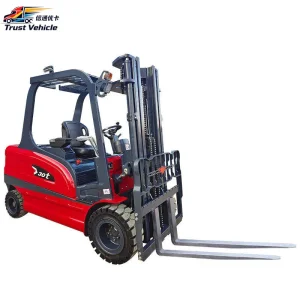
Browse our second collection of commercial transport equipment, which includes high-capacity tippers, heavy-duty flatbed trailers, specialized material handlers, and gas-powered long-haul tractors designed for international logistics networks.