TRUST VEHICLE
TRUST VEHICLE
TRUST VEHICLE
An in-depth analysis of supply chain dynamics, engineering milestones, and procurement methodologies for heavy-duty commercial vehicles.
The global logistics landscape is undergoing a monumental shift driven by rapid urbanization, cross-border e-commerce networks, and high-frequency supply chains. In this highly competitive environment, delivery cargo trucks and heavy-duty tippers act as the primary arteries of regional and international commerce. Reliable commercial vehicles are no longer merely transport utilities; they are high-performance data hubs and crucial assets that determine the Total Cost of Ownership (TCO) for fleet operators.
As logistics margins compress, global fleet operators require vehicles designed for maximum payload, minimal downtime, and outstanding fuel efficiency. Manufacturers must implement structural modifications and precise drivetrain optimizations to meet varying geographical terrains, severe weather conditions, and strict environmental regulations across continents.
"Efficiency in freight transport is directly correlated to the structural build quality and drivetrain synchronization of the fleet. A 1% reduction in vehicle downtime translates to a cumulative increase of up to 4.5% in net operational margins for large-scale shipping enterprises."
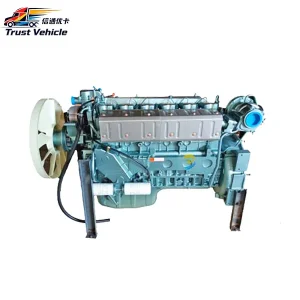
Leveraging high-displacement diesel engines like the 12.8L setups to maximize torque at lower RPM limits, ensuring heavy-load capabilities across mountainous terrains.
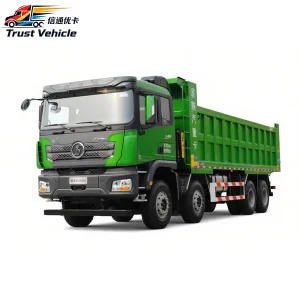
Reinforced double-deck steel frames and multi-leaf spring suspensions are vital for heavy dump trucks (e.g., 8×4 tippers) operating under harsh mining conditions.
Adhering to international emission benchmarks (ranging from Euro II for emerging markets to Euro V/VI equivalents) is critical to support cross-border fleet compatibility.
Trust Vehicle Founded
Countries Exported To
Quality Inspected
Technical Support
The manufacturing architecture in China's commercial vehicle sector has evolved beyond simple mass assembly. Today, it integrates advanced robotic fabrication, automated cathodic electrophoretic coating lines, and rigorous digital quality assurance systems. This transformation ensures that every chassis, tractor truck, and trailer component exported meets international standards of durability and performance.
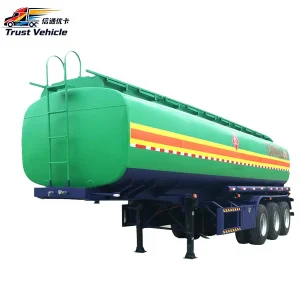
In modern heavy transport, structural optimization is key to balancing durability with payload capacity. High-strength steel alloys (such as Q345 and Q610) are used to fabricate high-capacity oil tank semi-trailers and dump bodies. These advanced alloys offer high tensile strength while reducing tare weight, allowing operators to maximize legal payload capacities and lower overall fuel consumption.
Procuring commercial fleets internationally requires careful consideration of mechanical specifications, local regulations, and operating conditions. Fleet managers must assess several key factors during their procurement planning:
Matching engine displacement (e.g., 9.7L vs 12.8L) and transmission gears (e.g., Fast Gear manual or automated manual transmissions) to your specific cargo weight and road topography.
Ensuring compliance with local emissions guidelines. Operators in emerging markets may prefer Euro II or Euro III engines for their mechanical simplicity and compatibility with higher-sulfur diesel fuel, whereas other regions require Euro V or VI emission standards.
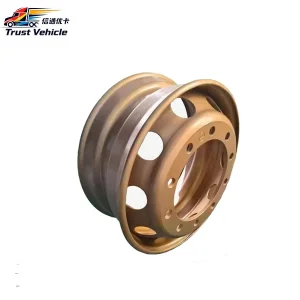
Securing access to critical maintenance components, such as high-strength wheel rims, brake valves, and engine overhaul kits, to minimize operational downtime.
Established in 2025 and headquartered in Shijiazhuang, Hebei Province, Shijiazhuang Trust Vehicle Industry Co.,Ltd is a comprehensive enterprise specializing in the export of used commercial vehicles, passenger cars, and heavy-duty engineering machinery.
By leveraging Northern China's prominent commercial vehicle industrial cluster, the company consolidates premium vehicle inventory from across the Beijing-Tianjin-Hebei region. The company provides international clients with cost-effective vehicle sourcing, professional reconditioning and modification services, secure export logistics, and comprehensive after-sales support.
Whether sourcing high-capacity tippers for mining, specialized fuel tankers, or standard cargo delivery trucks, Shijiazhuang Trust Vehicle Industry Co.,Ltd delivers reliable solutions tailored to your operational needs.
Different operating environments demand specific vehicle configurations. Below is an overview of common industrial applications for our specialized fleet units.
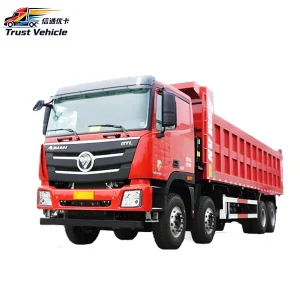
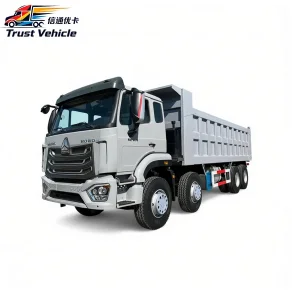
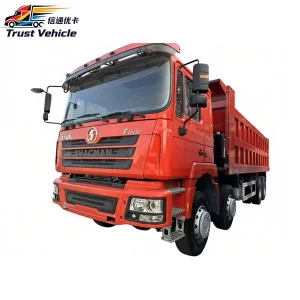
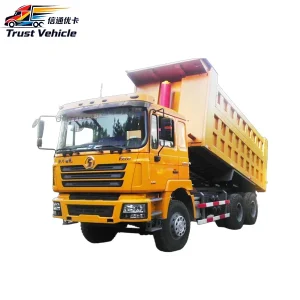
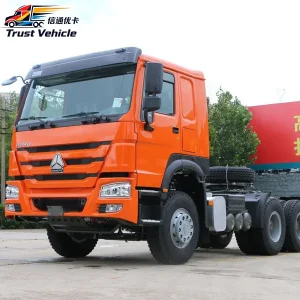
Heavy-duty tippers like the Shacman F3000 and HOWO 8×4 Dump Trucks are designed for high-impact payloads. They feature reinforced steel buckets, double-acting hydraulic cylinders, and high-clearance hub reduction axles to navigate rugged, unpaved terrain.
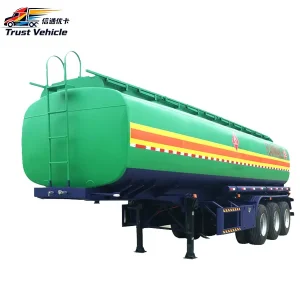
For fuel and petrochemical distribution, triple-axle steel semi-trailers provide safe liquid transport. Built with internal baffles to manage fluid surge during braking, they also feature air suspension systems and pneumatic safety shut-off valves.
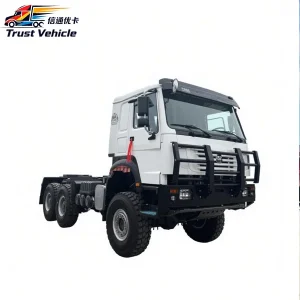
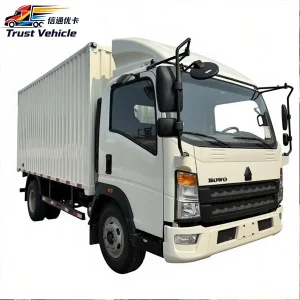
Medium-duty delivery cargo trucks and tractors balance payload capacity with maneuverability. These configurations are optimized for fuel efficiency, driver ergonomics, and reliable long-haul highway operation.
Answers to key technical, logistical, and commercial questions for international commercial vehicle procurement.
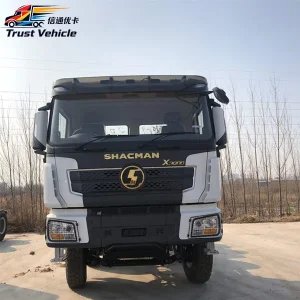
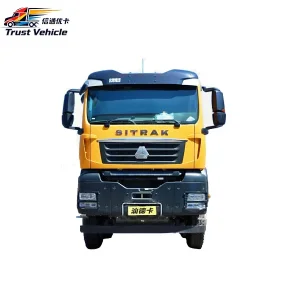
The Shacman X3000 series is designed for long-haul transport, featuring an aerodynamic cab, a fuel-efficient drivetrain, and modern driver cabin electronics. The F3000 series is built for demanding heavy construction and mining applications, utilizing a robust steel bumper and reinforced structural components. The Sinotruk HOWO and SITRAK series offer high drivetrain reliability, broad aftermarket parts availability, and robust chassis configurations suitable for regional logistics and specialized utility applications.
Every used commercial vehicle goes through a comprehensive inspection and reconditioning process. We inspect the engine cylinder pressure, transmission gear engagement, axle bearing tolerance, and hydraulic lift cylinders. Any worn parts are replaced with OEM components. Finally, we run dyno and road tests to confirm the vehicle meets our operational standards before it leaves for the port.
The choice depends on your target payload and driving conditions. The 9.7L engines are well-suited for medium-haul logistics and payloads under 30 tons on mostly flat highways. The 12.8L engines offer higher torque output at lower engine speeds, making them ideal for heavy bulk transport, steep terrains, and payloads exceeding 40 tons.
For countries with higher sulfur levels in their diesel fuel, Euro II or Euro III engines are often preferred due to their mechanical simplicity and lower sensitivity to fuel impurities. For markets with strict clean air regulations, we supply Euro V and Euro VI compliant vehicles equipped with selective catalytic reduction (SCR) systems and diesel particulate filters (DPF).
We provide a range of structural modifications, including extending the chassis length, increasing the cargo side-board height, installing heavy-duty rear tipper tailgates, mounting dual-fuel auxiliary tanks, and converting between Left-Hand Drive (LHD) and Right-Hand Drive (RHD) steerage layouts on select models.