TRUST VEHICLE
TRUST VEHICLE
TRUST VEHICLE
Explore our foundational selection of heavy tractors, specialized box bodies, passenger transit coaches, and utility vehicles engineered for global operating environments.
A Technical Assessment of OEM/ODM Customization, Structural Rigidity, and Thermal Insulation Protocols for Next-Gen Fleet Operators.
In the globalized logistics and transport supply chain, the commercial cargo box truck is no longer viewed merely as a container on wheels. Instead, it represents a highly sophisticated, integrated logistics node that must balance maximum payload efficiency, thermal dynamic retention, strict vehicle safety compliance, and telemetric vehicle monitoring. From last-mile refrigerated parcel deliveries to regional heavy-haul dry freight operations, modern fleet buyers demand customized solutions that can only be realized through comprehensive OEM (Original Equipment Manufacturer) and ODM (Original Design Manufacturer) partnerships.
Achieving structural longevity under continuous high-shear road cycles requires sophisticated mechanical engineering. Advanced manufacturers leverage finite element analysis (FEA) to simulate chassis torsional stress points before fabrication begins. By using composite materials, such as fiberglass-reinforced panels (FRP), light-weight aluminum alloys, and high-density polyurethane structural insulation foams, OEM/ODM builders significantly decrease the unladen curb weight. This weight reduction directly translates to an increased payload capacity (GVWR optimization), lower fuel or battery consumption, and a reduced carbon footprint for regional and cross-border transport fleets.
Analyzing the functional challenges commercial fleet operators encounter during the procurement of modified cargo box trucks.
Enterprise procurement executives evaluate vehicles based on Total Cost of Ownership. Minimizing fuel/maintenance costs via aerodynamic box integration, low rolling resistance tires, and robust chassis engineering is essential.
Vehicles must comply with complex, localized homologation rules including axle weight limits, underrun protection barriers, lighting configurations, and emission targets (Euro VI, EPA 10, or regional clean-fuel directives).
Refrigerated freight units require high-efficiency seals, dual-zone temperature separations, and multi-point telemetry to verify cargo conditions throughout the distribution journey.
How concentrated industrial clusters in Northern China deliver unparalleled component access, testing capacities, and cost-efficiencies.
The manufacturing ecosystem of commercial vehicles in China—particularly in the Beijing-Tianjin-Hebei region—represents the world's most comprehensive supply network. By integrating top-tier steel and aluminum suppliers, advanced hydraulic component plants, robotic welding installations, and world-class engine manufacturers (such as Sinotruk and Weichai Power), Chinese cargo box truck fabricators achieve high economies of scale. These cost efficiencies are directly passed on to global purchasers without sacrificing engineering tolerances or structural durability.
Furthermore, this localization allows for the rapid integration of customized modification demands. Whether a client requires an extra-long box layout, specific tail lift platforms, side-opening hydraulic panels, or unique chassis configurations (such as 4x2, 6x4, or 8x4 setups), the regional supply cluster provides rapid component prototyping. This agile environment shortens lead times from several months to just a few weeks.
Shijiazhuang Trust Vehicle Industry Co.,Ltd was established in 2025 and is headquartered in Shijiazhuang, Hebei Province. It is a comprehensive enterprise focusing on the export of used commercial vehicles, used cars and used engineering vehicles. Relying on the advantages of the largest commercial vehicle industry cluster in northern China, the company integrates high-quality vehicle sources in the Beijing-Tianjin-Hebei region and is committed to providing global customers with cost-effective vehicle procurement, maintenance and modification, export logistics and after-sales support one-stop services.
By leveraging Hebei’s extensive industrial footprint, Shijiazhuang Trust Vehicle Industry Co.,Ltd bridges the gap between raw vehicle sourcing and the specialized OEM/ODM cargo box transformations required by demanding international logistics corridors. Their engineering teams oversee the reconditioning and tail-end modification processes, ensuring that every exported asset performs reliably under heavy operational duties.
Navigating the complex international regulatory landscape for cargo transportation chassis and box structures.
Compliance with UNECE regulations for rear/lateral underrun protection (ECE R58/R73), braking performance (ECE R13), and electromagnetic compatibility. For Australian operations, adherence to Australian Design Rules (ADR) governing cabin strength and axle weight alignments.
Rigorous structural testing of cargo box walls, door retention systems, and latching mechanisms. Integration of FMVSS-certified reflective conspicuity sheeting, specific turn-signal/marker illumination positions, and anti-lock braking (ABS) modules.
Engineering adaptations for severe ambient temperatures exceeding 50°C. This requires reinforced radiator cooling systems, high-displacement air-conditioning compressors, UV-resistant wiring harnesses, and premium-insulated cargo bodies with specialized heat shields.
Exploring how specific industries configure cargo systems to match operational requirements.
Equipped with specialized polyurethane-insulated sandwich panels, floor排水 systems, multi-temp partitioning walls, and digital temperature data loggers. These models integration seamlessly with Thermo King, Carrier, or high-performance local electric refrigeration units.
Features double-deck high-tensile steel framing, integrated tie-down D-rings, anti-slip checkered steel flooring, and heavy-duty hydraulic tail gates. Designed for rapid loading of palletized machinery components and robust overland transport.
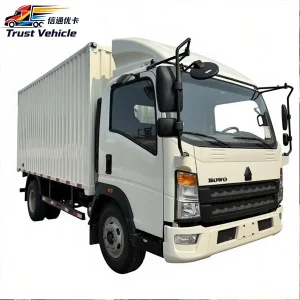
Lightweight composite box construction, designed to maximize volume under the 3.5-ton GVW threshold (evading city core access restrictions). Side rolling doors, step-in rear access, and custom shelving racks streamline delivery driver egress.
Modified with mobile power generators, integrated pneumatic tool lines, internal LED shop illumination, custom heavy-duty workbenches, and reinforced secure-access locking systems for remote site maintenance.
A strategic outlook on alternative powertrains, smart materials, and logistics IoT platforms.
The global transportation landscape is undergoing transition driven by environmental regulation and digital intelligence. The alignment of cargo box truck design with new energy vehicle (NEV) platforms is one of the most critical trends today. As battery electric and hydrogen fuel cell medium-to-heavy trucks transition from pilot trials to full fleet deployments, cargo box manufacturers must adapt their engineering designs. Reducing dead weight has become the primary mechanism to offset the weight of heavy battery packs, making composite polymers and structural aluminum more vital than ever before.
Concurrently, smart telematics and digital monitoring systems are being built directly into the box panel walls. Future-ready cargo compartments feature embedded temperature, humidity, and door-cycle sensors powered by energy-harvesting technologies or low-voltage chassis systems. This data is fed directly into fleet management software, ensuring complete logistics transparency for high-value cargo.
Get professional answers to common questions about used vehicle inspection, OEM/ODM box configurations, and shipping services.
For standard dry freight, lightweight aluminum sheets with internal galvanized steel hat-posts offer a balanced combination of durability and cost. For premium thermal efficiency and maximum weight savings, fiber-reinforced plastic (FRP) sandwich panels with polyurethane cores are ideal, as they can reduce box weight by up to 35% compared to steel panels.
Drawing on the northern Chinese commercial vehicle cluster, all vehicle assets undergo rigorous inspections. This process includes checking engine compression, testing transmission synchronization, examining the frame for rust or stress cracks, and validating cargo box structural integrity before shipping.
Yes. OEM/ODM modifications frequently include adding rear hydraulic tuck-away, cantilever, or column tail lifts. These lifts range in capacity from 500 kg to 3000 kg and can be configured with wireless remote controls and automatic safety roll stops.
Our engineers perform a weight distribution calculation to match the box length with the chassis wheelbase and rear overhang guidelines. This prevents rear axle overload, maintains proper headlight alignment, and ensures the vehicle handles safely on the road.
Depending on destination port facilities and target budgets, we ship cargo vehicles via Roll-on/Roll-off (RO-RO) vessels, dedicated bulk carriers, or flat rack containers. For high-volume fleet orders, we also offer CKD (Completely Knocked Down) or SKD (Semi-Knocked Down) options to minimize import tariffs and shipping costs.
We source and modify vehicles ranging from Euro III up to Euro VI and equivalent state standards. Our engineering team can also assist in adjusting emission control components (such as DPF/SCR systems) to match the diesel fuel properties in your target destination country.
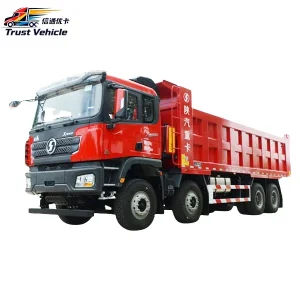
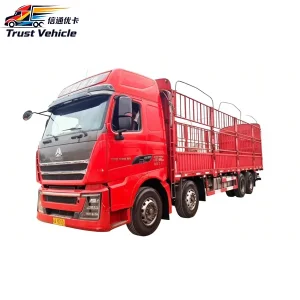
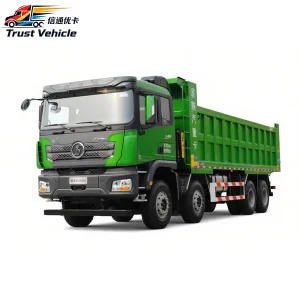
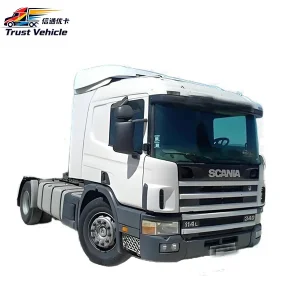
Explore our specialized range of high-capacity tractors, dual-axle stake trucks, water tankers, and tactical dump trucks.