 TRUST VEHICLE
TRUST VEHICLE
TRUST VEHICLE
Engineered to sustain peak deceleration under severe Scandinavian winter load regimes
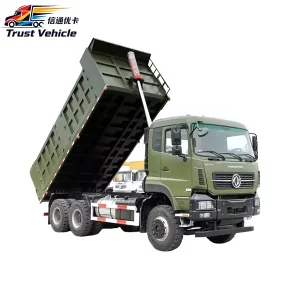
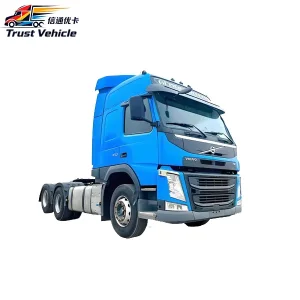
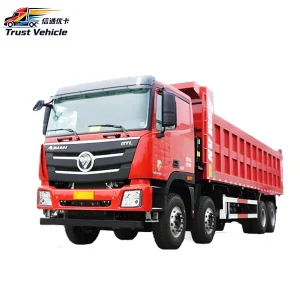
Operating heavy commercial vehicles, trailers, and machinery in Norway poses exceptional challenges. The convergence of rugged coastal geography, mountainous interior road networks (characterized by steep gradients exceeding 8-10% like those on the E16 and E134 corridors), and severe Arctic climates demands absolute braking reliability. Fleet operators and original equipment manufacturers (OEMs) require brake shoes and drum brake linings that perform flawlessly under extreme temperature differentials.
Industrial sectors in Norway—ranging from subsea construction operations, logging logistics in Trøndelag, to open-pit mining in northern Finnmark—utilize heavy heavy-duty trailers and multi-axle commercial setups. In these setups, heavy-duty drum brakes and brake shoes with lining remain the preferred solution for heavy trailer axles (such as SAF-HOLLAND, BPW, and ROR axles) and specialized drive axles. This preference is due to their high torque retention and resilience against road debris, ice, and salt slurry. However, this environment demands a level of material science integration far surpassing standard automotive criteria.
To design brake shoes with linings suitable for Norway, engineers must address the critical issue of thermal expansion differences and structural integrity under sub-zero temperatures. Standard brake shoes often experience matrix fracturing or lining separation under thermal shock. This occurs when vehicles transition from static sub-zero temperatures (-30°C) to dynamic braking conditions, which generate friction temperatures exceeding 350°C within seconds.
The structural backing plate must consist of high-tensile carbon steel (typically Q235B or equivalent structural steel). It must undergo precision stamping and welding to avoid any residual stress concentrations. In the salinized winter environments of coastal Norway (exposed to magnesium chloride and sodium chloride), standard paint degrades rapidly. Therefore, high-quality manufacturers implement electrophoretic deposition (EPD) or specialized zinc-rich polymer coatings to guarantee salt-spray resistance exceeding 240 hours (ISO 9227 standard).
Brake shoe webs and tables must achieve perfect geometrical alignment via robotic welding to prevent uneven load distribution. If misalignment occurs, localized hot spots will form on the brake lining. This causes uneven thermal expansion, drum crazing, and premature structural failure on steep mountain descents.
For the Norwegian market, the chemical formulation of the lining is tailored to resolve several conflicting requirements:
The heavy transportation sector in Norway is undergoing a massive shift towards zero-emission vehicles (ZEVs) and electrification. This transformation significantly alters the operational dynamics of mechanical friction braking systems.
With electric drivetrains (such as electric Volvo and Scania tractor units) dominating Norwegian fleets, regenerative braking handles a substantial portion of deceleration duties. Consequently, mechanical drum brakes and brake shoes experience fewer engagements but are subjected to longer periods of inactivity. This leads to two specific issues:
Norway's strict environmental regulations, including compliance with REACH and Nordic eco-label guidelines, require the elimination of heavy metal compounds from friction materials. Lead, mercury, cadmium, and hexavalent chromium have long been banned. Today, the focus is on reducing copper content. Heavy-duty commercial vehicle linings must transition to copper-free or ultra-low copper formulations (<0.5% by weight) to minimize hazardous run-off into aquatic ecosystems along Norway's fjords.
Friction matrix fibers and binder polymers engineered to retain mechanical elasticity and high shear resistance down to -40°C, eliminating micro-cracking.
Next-generation ceramic-hybrid and low-metallic composite fibers meeting strict Nordic ecological runoff standards without compromising wear rates.
Engineered for regenerative braking integration. Formulations prevent glazing and rust buildup on drum surfaces during long periods of brake inactivity.
For fleet managers operating in Bergen, Oslo, or Trondheim, braking system maintenance represents a significant portion of operating costs. Selecting the right combination of brake shoe and lining is critical to optimizing Total Cost of Ownership (TCO). Unplanned downtime due to premature brake wear or drum cracking can quickly erode profitability.
Modern transport fleets haul heavy loads. High-performance linings help distribute mechanical forces evenly across the drum interface. This prevents localized heat zones, reducing thermal fatigue and extending the lifespan of both the brake shoe and the drum. Our systems utilize precision-engineered rivet positions and high-grade rivets to ensure the lining stays flush against the shoe platform. This minimizes structural vibration, squeal, and uneven wear.
Before deployment in cold-weather markets, manufacturing batches undergo exhaustive laboratory and track testing, including:
Optimized configurations suited for challenging Nordic hauling routes
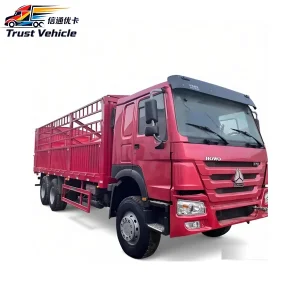
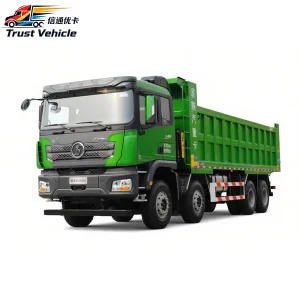
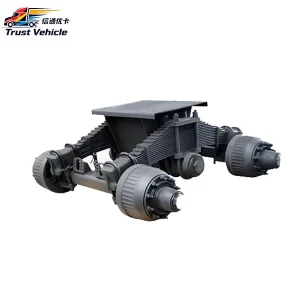
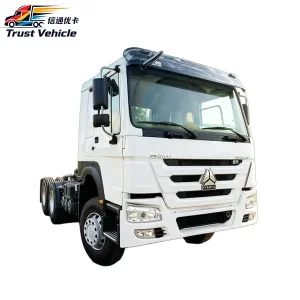
Importing braking safety components into Norway requires strict adherence to European regulatory frameworks. The main compliance certification required is ECE R90 (Regulation 90).
ECE R90 requires replacement brake pads and linings to undergo intensive testing to ensure they perform within ±15% of the original equipment (OE) parts. Testing covers friction characteristics, cold performance, speed sensitivity, and shear strength. Any manufacturer exporting brake shoes with lining to Norway must carry valid E9/E11/E1/E24 approval markings stamped directly on the backing plates and outer packaging.
Norway is a member of the European Economic Area (EEA) and enforces the REACH regulation (Registration, Evaluation, Authorisation and Restriction of Chemicals). Manufacturers must ensure that friction linings contain no asbestos, heavy metals, or toxic chemical binders. Additionally, they must monitor dust emissions to protect workers and end-users from inhaling harmful respirable fibers.
Northern China hosts a massive commercial vehicle and auto-parts industry cluster. This hub leverages advanced manufacturing automation to deliver high-quality, cost-competitive products to global markets, including Scandinavia.
Modern production facilities utilize Factory 4.0 automation systems, including:
By integrating casting, machining, lining formulation, and assembly within a single regional hub, Chinese suppliers minimize internal transit times. Products are shipped directly from major ports like Tianjin or Qingdao via optimized sea-freight routes to Norwegian hubs like Oslo, Bergen, or Drammen. This streamlined supply chain ensures stable lead times and protects fleet operators from unexpected parts shortages.
Browse our selection of specialized commercial trucks, utility vehicles, and trailer components
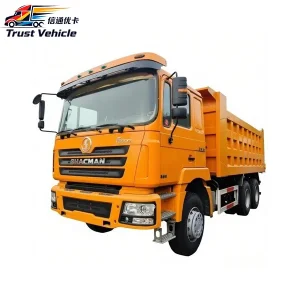
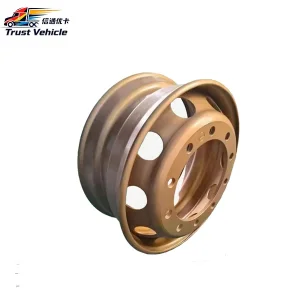
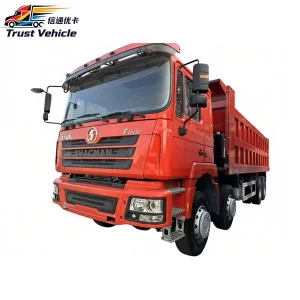
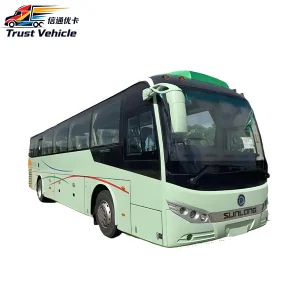
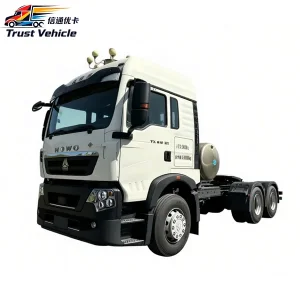
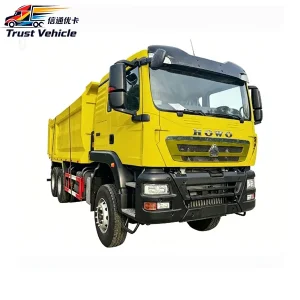
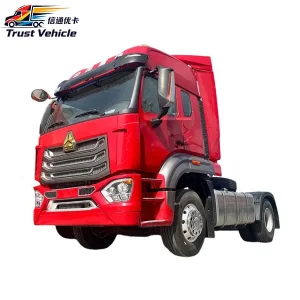
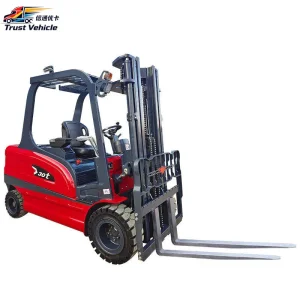
Technical clarifications on friction ratings, cold-weather installations, and compliance
Shijiazhuang Trust Vehicle Industry Co.,Ltd was established in 2025 and is headquartered in Shijiazhuang, Hebei Province. It is a comprehensive enterprise focusing on the export of used commercial vehicles, used cars and used engineering vehicles. Relying on the advantages of the largest commercial vehicle industry cluster in northern China, the company integrates high-quality vehicle sources in the Beijing-Tianjin-Hebei region and is committed to providing global customers with cost-effective vehicle procurement, maintenance and modification, export logistics and after-sales support one-stop services.
Our export operations focus on delivering robust, high-performance transportation assets. This includes sourcing, upgrading, and supplying high-quality braking systems, wheels, and suspension components that are fully compatible with commercial fleets operating in the challenging environments of Norway. By combining advanced logistics routing with strict quality control protocols, we ensure our global partners receive reliable parts and equipment.