 TRUST VEHICLE
TRUST VEHICLE
TRUST VEHICLE
Engineered to support regional Seattle transit corridors, port container hauling, and urban cargo logistics under severe maritime weather conditions.
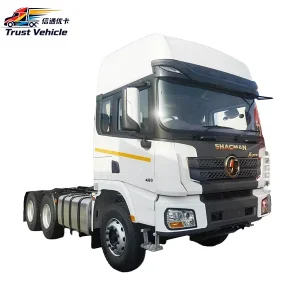
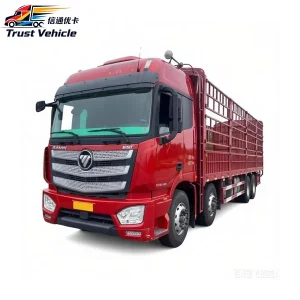
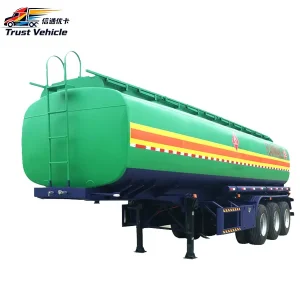
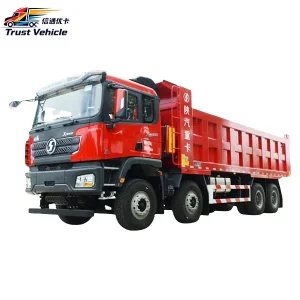
Seattle, Washington, represents one of the most demanding transport and cargo distribution environments in North America. Home to the Northwest Seaport Alliance (NWSA), the Port of Seattle handles millions of TEUs annually, creating a high-density, continuous-duty cycle for short-haul drayage fleets, intermodal chassis, and municipal transit systems. These heavy vehicles must operate under conditions that accelerate standard brake wear by up to 40% compared to flat-land hauling operations.
The geographic topography of the Puget Sound region features steep street inclines (such as the notorious grades in downtown Seattle, Capitol Hill, and Queen Anne) coupled with intense highway descent runs along the Interstate 5 (I-5) and Interstate 90 (I-90) corridors. When heavy dump trucks, fuel tankers, and tractor-trailers descend these routes, drum temperatures regularly exceed 350°C (662°F). This sustained thermal stress leads to brake fade, drum expansion, and lining structural crystallization if the brake shoe with lining assembly lacks precision metallurgical and chemical formulation.
Seattle’s high relative humidity and constant marine salt mist from Elliott Bay cause electrochemical corrosion on exposed iron backing plates. This leads to lining rust jacking, where oxidation between the lining material and the metal backing plate forces the lining to detach or crack. Consequently, suppliers must engineer brake shoes with specialized rust-inhibiting coatings, such as zinc phosphate or e-coating, paired with severe-duty lining compounds.
As of January 2025, Washington State has enforced the strict parameters of the Better Brakes Law (Senate Bill 6557 / RCW 70A.340). This legislation restricts the presence of copper, nickel, zinc, and other heavy metals in brake friction materials to trace levels (specifically, copper must be less than 0.5% by weight). Copper has historically been used in heavy-duty brake linings as a heat conductor and structural binder, making compliance a challenge for standard manufacturers.
To address this, our engineers developed a new friction chemistry roadmap that replaces copper with advanced carbon-ceramic matrices and synthetic mineral fibers. These formulations maintain excellent thermal conductivity without harming the local marine ecosystems of Puget Sound.
| Friction Lining Family | Composition Strategy | Friction Rating (SAE J661) | Thermal Degradation Point | Optimal Application Segment |
|---|---|---|---|---|
| Non-Asbestos Organic (NAO) | Ceramic, Kevlar & synthetic graphite fibers (WA Compliant) | FF Grade (μ: 0.35 - 0.45) | 320°C (608°F) | Seattle Urban Pickups & Light Delivery Fleets |
| Low-Metallic Hybrid | <15% steel fiber, premium friction modifiers, zero-copper | FG Grade (μ: 0.38 - 0.48) | 400°C (752°F) | Port Container Drayage, Regional Haul Tractor Heads |
| Heavy-Duty Semi-Metallic | Specially formulated sintered iron & carbon structural matrix | GG Grade (μ: 0.45 - 0.55) | 550°C (1022°F) | Seattle Mountain Pass Construction Dumpers, Heavy Machinery |
The friction materials are hot-pressed directly to structural Q235B steel backing plates under high pressure (exceeding 250 bar). They undergo a post-curing cycle in computerized ovens for 8 to 12 hours. This process ensures the lining achieves the correct shear strength, exceeding SAE J661 standards, which prevents the lining from shearing off the shoe under heavy emergency braking on Seattle’s hills.
Engineered support vehicles, heavy municipal mixers, and suburban fleets servicing the greater Seattle-Tacoma-Bellevue metropolitan corridors.
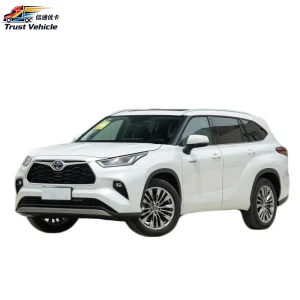
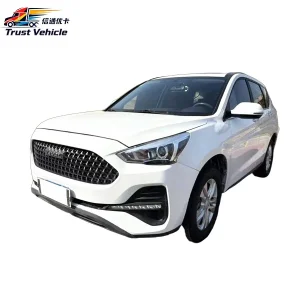
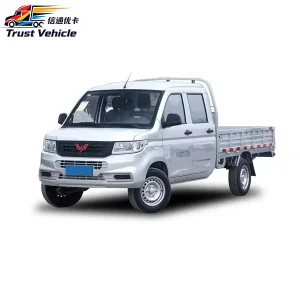
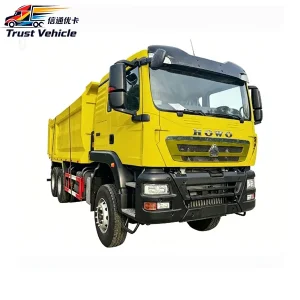
Shijiazhuang Trust Vehicle Industry Co.,Ltd was established in 2025 and is headquartered in Shijiazhuang, Hebei Province. It is a comprehensive enterprise focusing on the export of used commercial vehicles, used cars and used engineering vehicles. Relying on the advantages of the largest commercial vehicle industry cluster in northern China, the company integrates high-quality vehicle sources in the Beijing-Tianjin-Hebei region and is committed to providing global customers with cost-effective vehicle procurement, maintenance and modification, export logistics and after-sales support one-stop services.
By leveraging our regional supply chain in Hebei's industrial heartland, we bridge the gap between heavy machinery manufacturing and the delivery of critical replacement parts. Our brake shoe manufacturing lines utilize automated, robot-assisted precision welding and hydraulic riveting presses. This ensures that every brake shoe assembly matches the exact structural specifications required by international fleet standards.
Our backing plates are stamped from heavy-duty structural steel plates using a 1,200-ton hydraulic press. This eliminates dimensional variations and guarantees that the shoe webs match OEM profiles, ensuring even contact and pressure across the brake drum.
We use high-temperature phenolic resins and nitrile rubber modifiers to bond the lining to the steel. The material is then baked in tunnel ovens with computerized heating zones, ensuring consistent performance and preventing lining separation.
Exporting heavy vehicle brake components to the United States requires strict adherence to federal and state standards. We guarantee that all brake shoe and lining shipments to the Port of Seattle are compliant with key regulatory frameworks:
Our shipping pipeline from the Port of Tianjin directly to the Port of Seattle reduces transit times to 18–22 days. We offer customized packaging to prevent moisture ingress during sea transit. This ensures that every container of brake shoes arrives at your Seattle warehouse free of oxidation and ready for installation.
Heavy-duty transport assets, specialized chassis, and municipal delivery platforms optimized for continuous operational cycles.
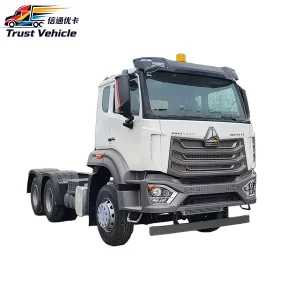
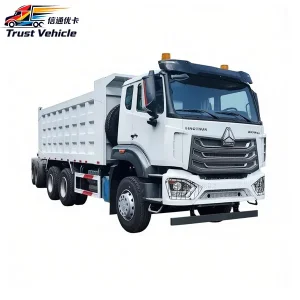
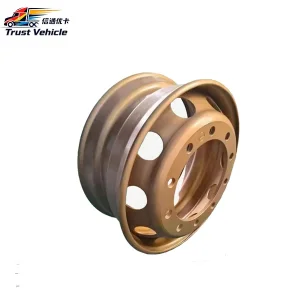
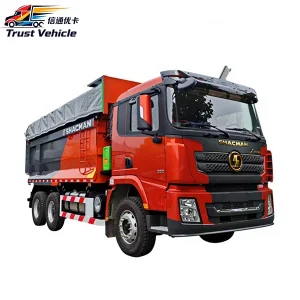
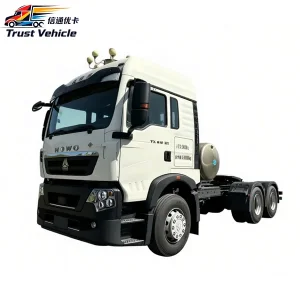
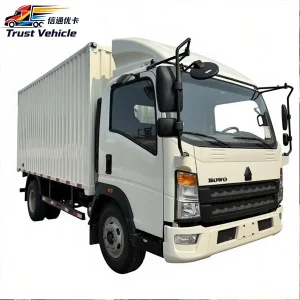
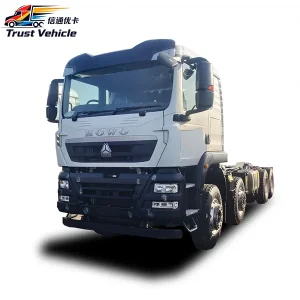
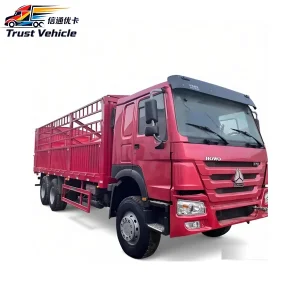
When sourcing brake shoes with lining from overseas factories, local procurement departments in King County and the Pacific Northwest must verify technical specs to ensure safety, longevity, and legal compliance. Refer to the checklist below:
Confirm that the supplier provides independent test reports verifying copper content is <0.5%. The packaging must display the NSF/WSDOT "Leaf Mark" to prevent environmental compliance fines in Washington State.
Ensure the lining-to-shoe bond strength meets or exceeds 2.5 MPa (using ISO 6312 or SAE J840 standards). This prevents lining delamination under thermal expansion cycles on Seattle's steep inclines.
Verify that the backing plates are treated with anti-corrosion finishes, such as zinc-phosphate or cataphoresis (e-coat). These finishes must pass a minimum of 240 hours of salt spray testing (ASTM B117) to withstand local maritime humidity.
Get authoritative answers on local Washington state regulations, customs clearance, and manufacturing specifications for heavy-duty friction components.