TRUST VEHICLE
TRUST VEHICLE
TRUST VEHICLE
Engineered to excel in high ambient temperatures, specialized industrial zones, and severe payload cycles throughout the southern and coastal routes of Israel.
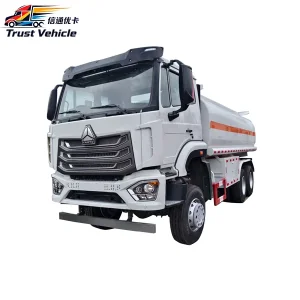
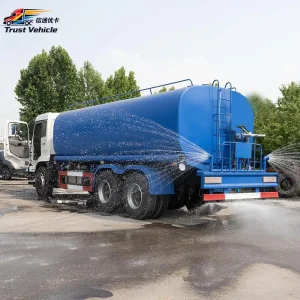
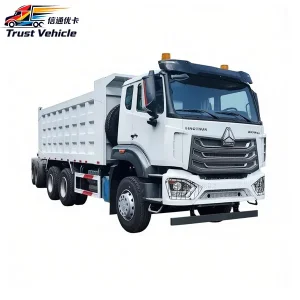
Operating heavy transport assets in the State of Israel presents unique spatial, regulatory, and climatic variables. Geographically configured as an "energy island" without cross-border land-based pipeline connections for petroleum imports, the country relies on safe, high-capacity road freight for domestic fuel distribution. Specialized tank trucks play a critical role, transporting refined petroleum, liquefied petroleum gas (LPG), industrial chemicals, and processed water from coastal terminals in Ashdod and Haifa to inland industrial parks, agricultural regions in the Negev, and remote utility installations.
Furthermore, the ongoing development of local offshore natural gas reservoirs (such as Leviathan, Tamar, and Karish) has accelerated a nationwide industrial shift towards compressed natural gas (CNG) and liquefied natural gas (LNG). This has driven demand for highly secure, low-emission heavy-duty tractor heads to pull specialized gas transport trailers. Extreme thermal environments—ranging from the humid coastal strip to desert temperatures exceeding 45°C in the Arava Valley—require specialized heat protection, high-durability seals, and thermal insulation designs for bulk liquid transports.
The Israeli Ministry of Transport and Road Safety aligns its heavy vehicle import and structural approvals closely with European Union standards. Any cargo vehicle intended for hazardous material logistics must satisfy the strict requirements of the ADR Treaty (European Agreement Concerning the International Carriage of Dangerous Goods by Road).
For factory-engineered fuel and chemical tank trucks, this dictates the integration of automated fire suppression systems, thermal exhaust routing, high-performance disc brakes with advanced Electronic Braking Systems (EBS), and specialized anti-static grounding systems. As exporters, ensuring structural compliance, vapor recovery system efficiency, and bottom-loading valve interfaces is essential to pass physical safety inspections at local testing hubs before vehicle licensing.
Modern tank trailer design has shifted from conventional mild steels to high-strength, lightweight aluminum alloys (such as Al5083-H112) and marine-grade stainless steels (SUS316L). By using premium aluminum alloys, the tare weight of a typical 30,000-liter tanker is reduced by up to 30%, directly translating to higher payload capacities per haul, lower diesel consumption, and optimized axle-load distribution under local road limitations.
In addition to structural metallurgy, active safety technologies are vital for fluid logistics. The behavior of liquid cargos under braking and cornering—known as liquid slosh—creates severe dynamic forces that can compromise stability. Incorporating advanced interior baffles, Electronic Stability Control (ESC), and pneumatic suspension helps mitigate rollover risks on winding mountainous routes, such as the descent to the Dead Sea.
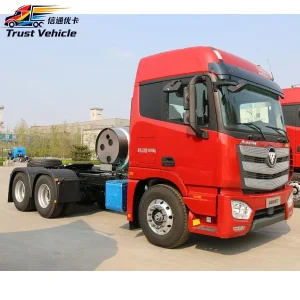
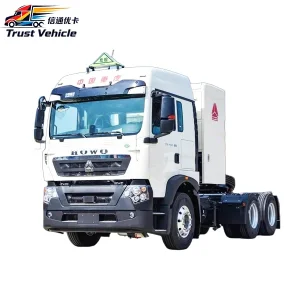
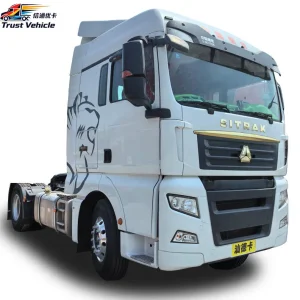
As Israeli municipalities enforce clean-air regulations in major urban centers like Tel Aviv, Jerusalem, and Haifa, logistics fleets are transitioning away from traditional diesel propulsion. Refurbished and newly built LNG (Liquefied Natural Gas) and CNG (Compressed Natural Gas) tractor heads are playing a major role in this shift.
These alternative fuel platforms offer immediate economic benefits, reducing fuel operating costs by 30% to 50% compared to diesel. They also lower greenhouse gas and particulate emissions, aligning with regional decarbonization policies.
Designed to operate under high loads, strict safety codes, and intense schedules in demanding regional environments.
Designed with independent safety chambers and pneumatic emergency foot valves to prevent fuel spillages and limit fluid motion during transit.
Equipped with bottom-loading API coupling adapters and eco-compliant vapor return systems to eliminate gas emissions during loading cycles.
Built with high-reflectivity exterior coatings and heat-insulated plumbing systems to prevent pressure spikes during hot summer routes.
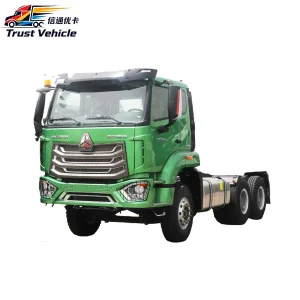
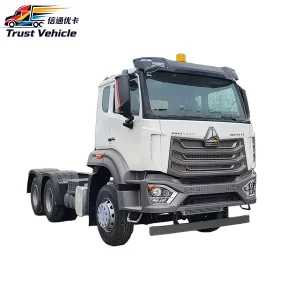
Heavy-duty transport tractors configured to support gas and liquid chemical logistics across Israel's highway network.
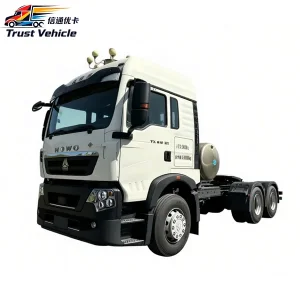
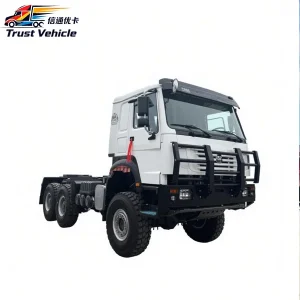
How Shijiazhuang Trust Vehicle Industry Co.,Ltd prepares commercial vehicles for import approval in Israel.
By utilizing the massive commercial vehicle cluster in the Beijing-Tianjin-Hebei region, we source low-mileage, structurally sound fleet vehicles. Each unit undergoes complete diagnostics covering engine compression, transmission shifting, and axle alignment.
For fuel and liquid tanker bodies, we perform hydrostatic pressure testing to verify weld integrity and seal durability. Every compartment is pressurized to test for structural deformation or leakage, meeting high-standard fluid transport safety levels.
We install critical safety upgrades to comply with regional hazardous road rules. This includes emergency shutoff switches, anti-static grounding reels, fireproof wiring harnesses, and bottom-loading manifolds configured to standard terminal dimensions.
We manage the export process from our factory in Shijiazhuang to delivery at Eilat or Ashdod ports. This includes customs documentation, Ro-Ro shipping preparation, and supplying technical documentation to assist with import registration.
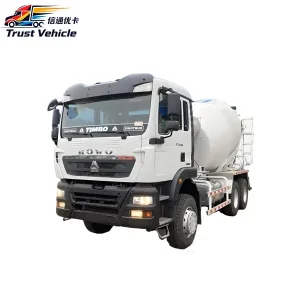
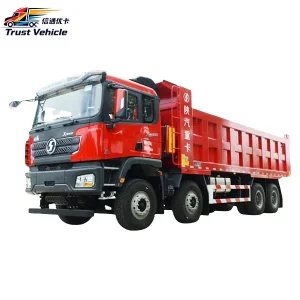
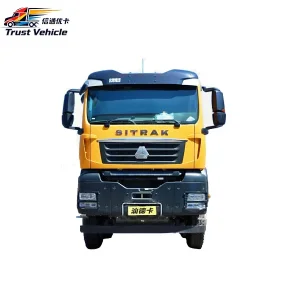
Refurbished support vehicles and critical spare parts built to handle industrial requirements and urban logistics.
Answers to critical questions regarding ADR approvals, customs processes, and specifications for Israel.