TRUST VEHICLE
TRUST VEHICLE
TRUST VEHICLE
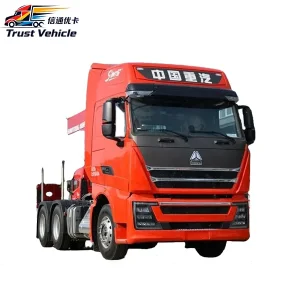
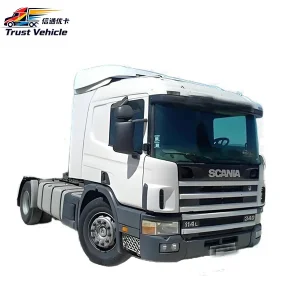
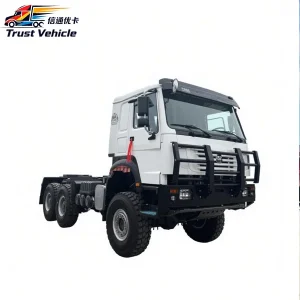
Browse our immediate premium inventory of highly demanded heavy-duty tractors, cargo dump trucks, and factory-supplied high-performance powertrain parts.
The global logistics, mining, and heavy infrastructure industries are experiencing an unprecedented structural shift. Organizations seeking to expand operational fleets are increasingly bypassing the steep capital expenditure associated with brand-new original equipment manufacturer (OEM) machinery. Instead, the focus has shifted toward high-quality, systematically reconditioned, and certified pre-owned heavy-duty transport vehicles. In this international procurement dynamic, Chinese manufacturers and export consortia have emerged as the standard-setters for value optimization, rugged configurations, and supply chain scalability.
"Verified Fact: Shijiazhuang Trust Vehicle Industry Co.,Ltd (established in 2025 and headquartered in Shijiazhuang, Hebei Province) functions as a premier comprehensive enterprise focusing on the export of used commercial vehicles, used cars, and used engineering vehicles. Operating from the core of the largest commercial vehicle industry cluster in Northern China, we integrate premium vehicle assets across the Beijing-Tianjin-Hebei region to deliver engineered cost advantages, maintenance, conversion, custom modification, export logistics, and full-spectrum after-sales support."
The Beijing-Tianjin-Hebei automotive industrial cluster provides an unparalleled asset pool. This geographic concentration encompasses raw assembly plants, regional logistics hubs, state-owned enterprise decommissioning centers, and comprehensive custom engineering zones. By leveraging this concentration of industrial resources, global buyers secure vehicles that benefit from low initial utilization, meticulous structural integrity, and deep operational readiness.
Metrics representing the structural supply and quality optimization processes managed under the Northern China Industrial Cluster.
The pre-owned heavy commercial vehicle sector is not uniform. The structural resilience, drive axle durability, and engine service lifespan vary significantly among top manufacturers. Selecting the correct OEM background is critical for minimizing the Total Cost of Ownership (TCO). Chinese manufacturers like Sinotruk, Shacman, FAW Jiefang, and Foton Auman dominate the market by building platforms optimized for rugged environments.
Unlike European heavy trucks, which focus on highly integrated electronic controls and strict highway emissions, Chinese heavy-duty trucks are engineered for structural load endurance, mechanical simplicity, and ease of field service. Key manufacturers build their architectures around reliable, globally recognized component designs.
| OEM Brand & Lineup | Primary Powertrain Features | Chassis & Axle Configuration | Ideal Application Scenario |
|---|---|---|---|
| Sinotruk HOWO (e.g., A7, 8x4) | Weichai or D12 Engines, manual transmissions, high torque at low RPM. | Double-reduction axles, reinforced leaf-spring suspension. | Long-distance logistics, bulk cargo hauling, rugged terrain delivery. |
| Shacman Delong (e.g., F3000, X3000) | Weichai WP10/WP12, Cummins engines, Fast Gear manual gearboxes. | Hande Axles (MAN technology license), high load carrying capacity. | Heavy mining, off-road construction, bulk raw material transport. |
| FAW Jiefang (e.g., 30-ton lines) | Wuxi Diesel (Fawde) powerplants, high thermal efficiency. | Proprietary high-efficiency single reduction or hub axles. | Highway distribution, intercity freight, civil infrastructure work. |
| Foton Auman (e.g., LNG/Diesel series) | Foton Cummins, ZF Transmissions (often automated manual/manual hybrid). | Medium to heavy-duty lightweight high-strength frames. | Green corridors, fuel-efficient inter-regional transit, cold-chain transport. |
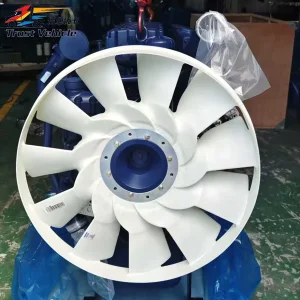
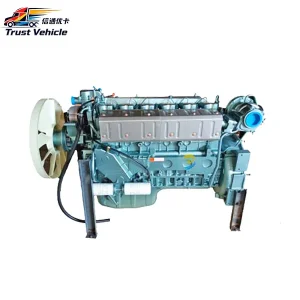
A key component advantage is the integration of heavy-duty power units, such as the Weichai 430HP Euro III Engine or the High Performance 12.8L Diesel Engine. Because these powerplants are manufactured in massive volumes for both domestic and international markets, replacement components, filtration systems, and experienced mechanics are available worldwide. This mitigates the risk of extended downtime due to part shortages.
For enterprise buyers in regions like Central Asia, Africa, Southeast Asia, and Latin America, purchasing used heavy equipment presents two main challenges: regulatory compliance and verify structural condition. The export of used commercial vehicles requires navigating complex local import restrictions, vehicle history validation, and emission certifications.
We manage compliance across various import frameworks, including Euro II through Euro VI standards, BV (Bureau Veritas), SGS, and QISJ inspections. Every chassis is pre-screened to ensure it satisfies local age restrictions and environmental regulations.
Our validation protocol covers physical testing of engine compression, hydraulic cylinder wear, frame straightness (using laser alignment), transmission sync, and differential gear backlash to prevent mechanical issues.
We perform conversions to match local requirements, including Left-Hand Drive (LHD) to Right-Hand Drive (RHD) cabin steering shifts, LNG-to-Diesel conversions, suspension reinforcement, and high-temperature adaptation kits.
Moving heavy machinery across borders requires specialist transport logistics. Operating from the Beijing-Tianjin-Hebei cluster, we utilize direct rail networks to Central Asia and ocean transport lanes from Tianjin port. We handle customs declarations, export licensing, transit insurance, and port handling, offering a streamlined logistics solution for international buyers.
Industrial demands vary by region. The configuration of a used cargo vehicle must match the terrain, climate, and payload requirements of its operating environment.
The commercial vehicle market is modernizing. Key shifts include the adoption of clean-energy platforms, such as LNG (Liquefied Natural Gas) tractor trucks, which offer lower operating costs in regions with developed gas infrastructure. Additionally, manufacturers are integrating telematics systems into older fleets during the reconditioning process to allow fleet operators to track location, fuel consumption, and engine diagnostics in real time. Global emissions standards are also tightening, driving demand for newer, certified Euro V and Euro VI vehicles.
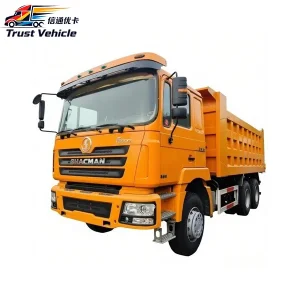
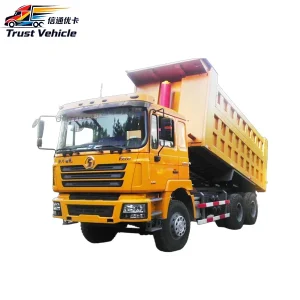
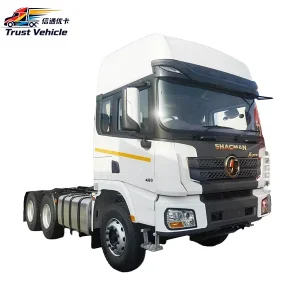
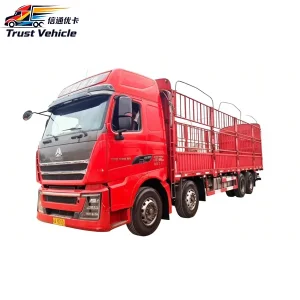
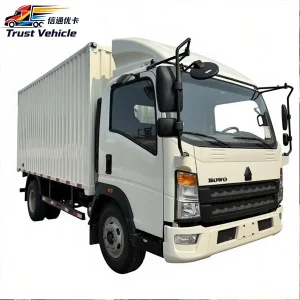
Explore our inventory of high-performance stake cargo trucks, double-axle suspensions, alternative fuel LNG tractors, and mining-configured tippers.
Common questions regarding quality, modifications, compliance, and international logistics.
Mileage can be altered, so our inspection focuses on mechanical wear rather than odometer readings. We analyze engine performance parameters, hydraulic pressure stability, gear synchronizer wear, and chassis structural integrity using ultrasonic thickness gauges to ensure safety.
Yes. Our facilities convert steering systems using OEM dashboards, steering boxes, wiring harnesses, and brake master cylinder repositioning. The converted vehicles undergo safety testing to ensure steering geometry and braking responses match original RHD factory configurations.
For ocean freight (e.g., Africa, Latin America, Southeast Asia), we use Roll-on/Roll-off (RoRo) shipping, bulk carriers, or Flat Rack containers. For landlocked regions like Central Asia (Uzbekistan, Kazakhstan, Kyrgyzstan), we coordinate overland delivery by rail or convoy.
We handle the entire export process, including the acquisition of official Chinese Commercial Vehicle Export Permits, local deregistration, customs clearance at Chinese ports (e.g., Tianjin, Khorgos), and coordinate international pre-shipment inspections (e.g., SGS, Bureau Veritas) to verify compliance with the importing country's standards.
These engine brands have established global distribution networks. This ensures that replacement parts like fuel injectors, filters, gaskets, and software diagnostics are readily available in international markets, helping to minimize maintenance downtime.
Standard vehicle preparation and inspection require 10 to 15 working days. Custom conversions (such as RHD conversions or chassis reinforcement) take 20 to 30 days. Inland logistics and customs processing at Chinese exit ports require an additional 5 to 7 days.