TRUST VEHICLE TRUST VEHICLE

Brake Shoe With Lining Factories Serving the Switzerland Market

ECE-R90 Certified Braking Excellence Engineered for Severe Alpine Demands, Extreme Thermal Loads, and Swiss Heavy Transit Networks

Send Inquiry Now
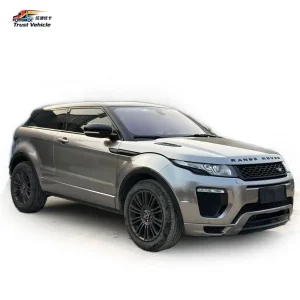
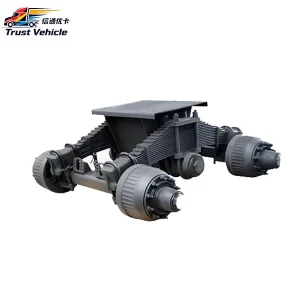
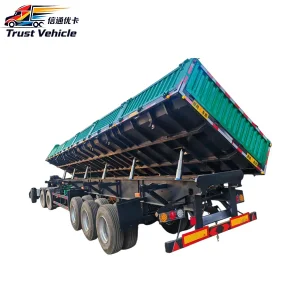
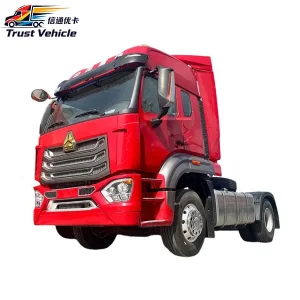
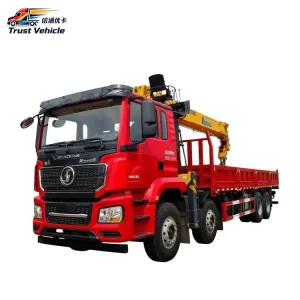
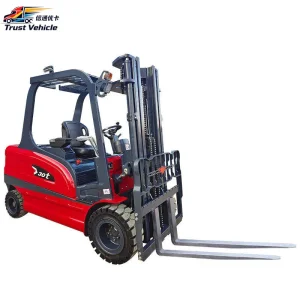
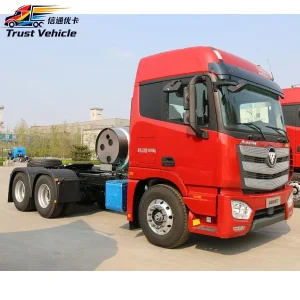
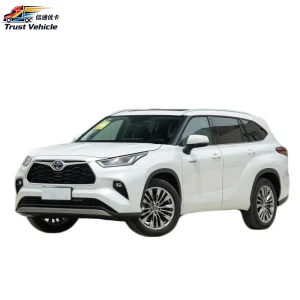
Featured Machinery & Systems for Swiss Operations

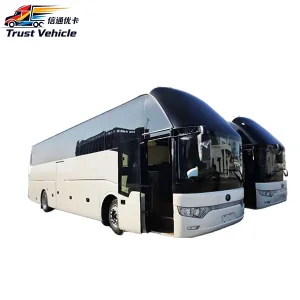
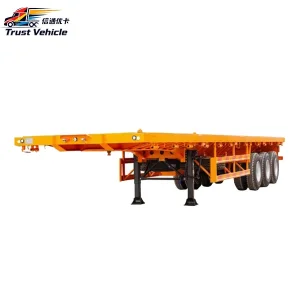
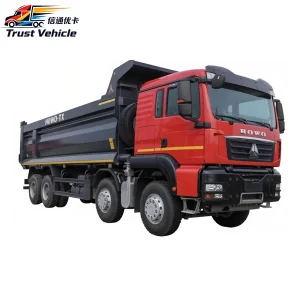
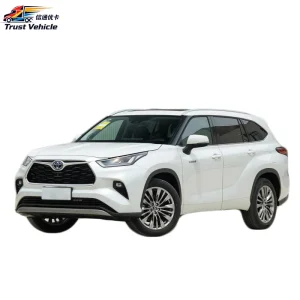
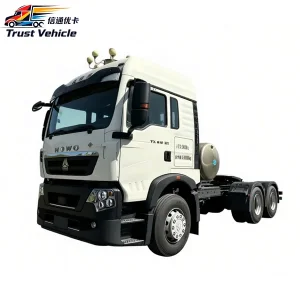
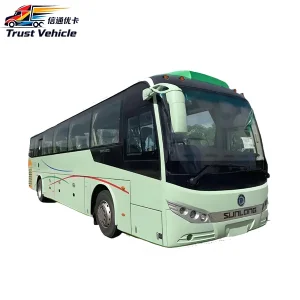
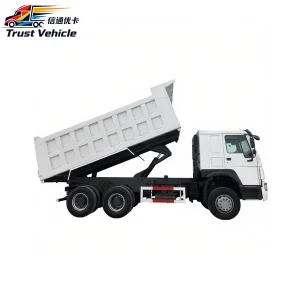
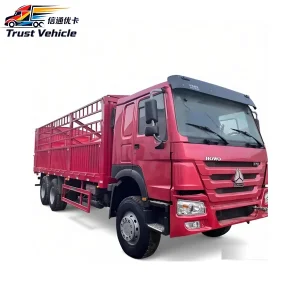
Deploying commercial heavy hardware across Switzerland's alpine roads demands brake systems with absolute structural reliability. Here are our top machinery exports fitted with high-friction heavy-duty lining technology.

Swiss Alpine Topography & Severe Braking Demands

Switzerland’s transit infrastructure presents some of the most challenging operating conditions globally. With major freight routes passing through the Gotthard, San Bernardino, and Simplon corridors, heavy commercial vehicles must contend with steep gradients reaching up to 12% over prolonged descents. In these scenarios, traditional braking systems are pushed to their thermodynamic limits.

Under continuous braking loads, kinetic energy is converted directly into thermal energy, spiking drum and lining interface temperatures to over 650°C. Inadequate friction materials experience severe thermal degradation, commonly known as brake fade, where the friction coefficient collapses and stopping distances increase exponentially. For Swiss logistics operations, sourcing premium brake shoes with linings engineered for extreme thermal dissipation is a safety and regulatory necessity.

Key Environmental Fact: Switzerland enforce strict limits on copper emissions from friction materials to protect delicate alpine water ecosystems from heavy metal runoff, driving demand for advanced low-copper and copper-free organic linings.
Regulatory Standards: Compliance in the Swiss Market
  • ECE R90 Homologation Every brake lining replacement must perform within ±15% of the original equipment manufacturer (OEM) part under strict European safety testing.
  • LSVA Tax-optimized Maintenance Swiss heavy vehicle fees (LSVA) mean downtime translates to high structural losses; parts must guarantee extreme durability.
  • Asbestos & Heavy Metal Free Linings Complete compliance with REACH standards and local environmental ordinances to protect Swiss lakes and soils.

Material Science: Formulating for Alpine Extremes

Our partner factories utilize a multi-layered material engineering process to produce brake shoes and linings that withstand both sub-zero winter temperatures on high passes and intense thermal buildup.

0.42
Stable Friction CoF
650°C
Thermal Fade Limit
>2.5 MPa
Shear Strength Rating
100k km
Average Service Life
Metals and Composites Engineering

The backing plate is constructed from heavy-gauge carbon steel using fine blanking machinery to achieve sub-millimeter flat tolerances. This guarantees uniform pressure distribution onto the brake drum, eliminating localized hotspots.

The lining itself is a custom composite of aramid fibers, ceramic structures, synthetic graphite, and high-temperature phenolic resins. This combination yields high structural shear strength and prevents cracking under heavy mechanical braking pressure.

Environmental Adaptations for Switzerland

Recognizing the delicate ecology of Switzerland's alpine waterways, our advanced manufacturing lines prioritize non-asbestos organic (NAO) formulations and low-metallic friction compounds. These compounds significantly reduce brake dust emissions while maintaining structural coefficient of friction (CoF) levels required for heavily loaded transport trailers.

China Sourcing Advantages: Efficiency, Scale, and Reliability

As a global manufacturing hub, China offers unparalleled supply chain integration. Shijiazhuang Trust Vehicle Industry Co.,Ltd, established in 2025 in Shijiazhuang, Hebei Province, leverages the regional density of heavy vehicle component manufacturers in Northern China. By merging high-volume steel stamping mills, friction material chemical research facilities, and advanced testing centers, we deliver superior cost-efficiency without compromising technical compliance.

This integrated supply model allows us to configure specialized braking systems directly on exported heavy-duty vehicles, trailers, and machinery, delivering a comprehensive, ready-to-run transport solution to Swiss and European fleet operators.

Precision Testing Protocols: Our manufacturing partners employ link dyno testing, shear strength testers, and computerized profile grinders to achieve near-zero dimensional error tolerances.
Why Choose Shijiazhuang Trust Vehicle Industry Co.,Ltd?
  • Beijing-Tianjin-Hebei Cluster Advantage Direct access to the largest premium raw material supply chain and engineering talents in Northern China.
  • One-Stop Export Optimization From tailored vehicle fabrication, brake configuration, ECE homologation verification to custom export logistics.
  • Advanced Quality Control (IATF 16949) Strict manufacturing process controls ensuring every brake shoe lining batch matches European mechanical performance.

Swiss Localized Applications & Industrial Use Cases

Braking solutions must be matched to operational profiles. Below are primary industrial applications across Swiss cantons where high-performance linings are critical.

Alpine Cargo Transit

Heavy-duty logistics traversing trans-alpine routes (e.g., A2 motorways) require drum brake shoes with linings featuring optimized thermal recovery rates to prevent thermal fading.

Municipal Infrastructure & Sanitation

Frequent stop-and-go patterns in metropolitan areas like Zurich, Geneva, and Bern require friction materials with excellent cold-wear properties and minimal operational noise levels.

Heavy Construction Forestry

Tractor trucks and timber transport trailers working in high-humidity alpine forests demand corrosion-resistant backing plates and high shear-bond strength between the lining and the shoe.

Technical Quality Reference: FAQ for Swiss Fleet Operators

Find expert answers on mechanical parameters, manufacturing tolerances, and quality certifications.

1. Why is ECE-R90 compliance mandatory for brake shoes with linings in Switzerland?
ECE-R90 homologation ensures that aftermarket replacement brake parts perform within a tight tolerance band (+/- 15%) compared to the original factory equipment. Switzerland, in alignment with European Union transport directives, requires ECE-R90 certification to prevent substandard components from compromising heavy vehicle safety, especially on high-speed descents and alpine routes where stopping distances are critical.
2. How does the thermal fade coefficient protect commercial vehicles during alpine descents?
Thermal fade occurs when friction resins melt under high heat, creating a lubrication barrier that reduces the coefficient of friction. Our factories formulate linings with specialized cross-linked polymers and carbonaceous structural compounds that resist thermal liquefaction up to 650°C. This maintains a stable friction coefficient, ensuring reliable braking performance on long mountain passes.
3. What is the difference between cast iron and carbon steel backing plates for heavy vehicles?
Cast iron backing plates offer excellent stiffness and thermal expansion compatibility with drum housings, which is crucial for heavy duty application. Carbon steel backing plates are lighter and exhibit excellent structural elasticity, which reduces overall vehicle unsprung mass, a property crucial for standard freight semi-trailers operated under strict weight regulations.
4. How does low copper formulation help comply with local Swiss regulations?
Copper particles shed during braking can wash into road margins, eventually contaminating rivers and lakes. Because copper is toxic to aquatic organisms, Switzerland requires friction material formulations with less than 0.5% copper by weight. Our factories replace copper with alternative metal sulfides and aramid fibers to meet these regulations without sacrificing heat dissipation.
5. What quality inspection measures are carried out at Shijiazhuang manufacturing centers?
Our partner factories utilize a comprehensive testing matrix, including automated ultrasonic crack detection for steel plates, dynamic shear strength testing to ensure lining adhesion, and Krauss friction machines to profile wear behavior across temperature cycles ranging from 100°C to 500°C.
6. What packaging and anti-rust treatments are used for transcontinental shipping?
To prevent corrosion during sea and rail transport to Switzerland, brake shoes are coated with a thermal-cured anti-rust zinc phosphate primer or electrophoretic painting (E-coating). They are then vacuum sealed in shrink wrap containing vapor-corrosion inhibitors (VCI) and packed into heavy-duty wooden shipping crates.
7. What is the average replacement lifecycle for heavy truck brake linings under alpine loads?
In standard long-haul operations, premium linings last up to 100,000 kilometers. However, under the demanding conditions of Alpine freight transit, the average lifecycle can decrease to 60,000 kilometers due to frequent thermal expansion cycles. Regular thickness monitoring is recommended to ensure safety.
8. Can you customize friction lining profiles for vintage municipal transit networks in Switzerland?
Yes. Our partner factories can customize lining thickness, radius profiles, and rivet hole patterns using 3D CAD modeling and CNC machining to match legacy transport configurations, such as historical trolleybuses or light rail municipal fleets.
9. How does Shijiazhuang Trust Vehicle Industry Co.,Ltd ensure fast customs clearance into Switzerland?
We prepare complete commercial invoice documents, EUR.1 movement certificates, and detailed conformity declarations verifying ECE-R90 status. This streamlines the customs process for entry through Swiss border posts.
10. What options are available for rivet bonding vs thermocured adhesive bonding?
We supply both types based on application. Riveted linings allow for straightforward replacement and handle high shear loads well, while thermal-cured adhesive bonding provides continuous contact across the backing plate. This improves heat transfer and eliminates pockets where rust could form.

About Shijiazhuang Trust Vehicle Industry Co.,Ltd

Established in 2025 and headquartered in Shijiazhuang, Hebei Province, Shijiazhuang Trust Vehicle Industry Co.,Ltd is a comprehensive enterprise focusing on the export of used commercial vehicles, used cars, and used engineering vehicles.

Relying on the advantages of the largest commercial vehicle industry cluster in northern China, the company integrates high-quality vehicle sources in the Beijing-Tianjin-Hebei region. We are committed to providing global customers with cost-effective vehicle procurement, maintenance and modification, export logistics, and comprehensive after-sales support through a dedicated one-stop service.

Our Mission & Commitment

Whether exporting specialized machinery or heavy-duty logistics systems, we ensure the integrated mechanical sub-systems—especially critical safety elements like brake assemblies, suspension setups, and drive axles—meet the specific regulatory requirements of the destination country. For Switzerland and the broader EU markets, this means providing components that comply with ECE-R90 safety standards and environmental regulations.

Connect With Our Technical Engineering Team Today

Looking to optimize your fleet maintenance costs while ensuring complete compliance with Swiss transport safety authorities? Get a tailored quotation on ECE-R90 certified brake assemblies, vehicle modifications, and global logistics logistics.

Send Inquiry Now