 TRUST VEHICLE
TRUST VEHICLE
TRUST VEHICLE
Explore heavy duty trucks, tractor heads, and coach buses optimized for Bogota, Medellin, and Cali mountainous routes.
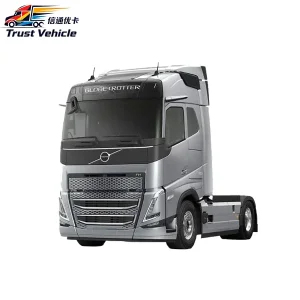
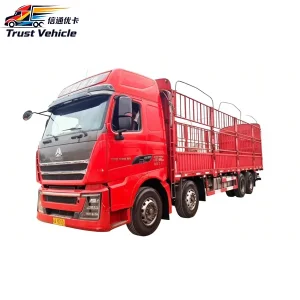
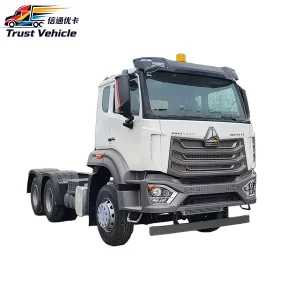
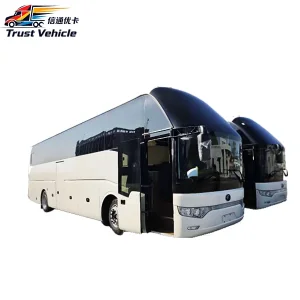
The geography of Colombia is defined by the Andes Mountains, which split into three major cordilleras: Western, Central, and Eastern. This topography creates some of the most challenging transport routes in the world. Key logistical channels, such as the mountain pass of La Línea linking Bogotá and Buenaventura, expose commercial vehicles to steep, sustained downhill gradients. For heavy-duty fleets operating under these extreme conditions, drum brakes remain the bedrock of safety. Specifically, the demand for high-performance brake shoes with lining is paramount.
In Colombia, the fleet consists of various European, American, and increasingly dominant Chinese heavy commercial vehicles. Due to the high-load operations, long downhill routes, and varying temperature ranges (from tropical sea-level zones like Barranquilla to high-altitude mountain environments like Bogotá at 2,600m), brake wear is accelerated. Fleet operators face high maintenance costs if they choose low-quality lining materials. This has pushed Colombian procurement managers to seek premium, durable, and certified brake assemblies that deliver stability, thermal capacity, and structural integrity.
For heavy transport in the Andes, friction material design is a critical safety consideration. Standard materials glaze under high heat, leading to brake fade—a reduction in braking force that can cause accidents. The transition away from asbestos in accordance with Colombia's Ley 1968 de 2019 has shifted the focus to advanced non-asbestos organic (NAO), semi-metallic, and low-steel formulations.
Our heavy-duty brake linings exported to the Colombia market feature a optimized formulation designed for heat dissipation and wear resistance:
| Friction Formula | Friction Coefficient (μ) | Max Temperature Limit | Recommended Application | Wear Life (Est.) |
|---|---|---|---|---|
| Premium Semi-Metallic | 0.38 - 0.42 | 400°C | Heavy Duty Cargo Trucks (HOWO, Shacman) | 80,000 - 100,000 km |
| Low-Metallic Matrix | 0.35 - 0.40 | 350°C | Coach Buses & City Transit (Yutong) | 70,000 - 90,000 km |
| Advanced Ceramic Composite | 0.40 - 0.45 | 450°C | Mining Vehicles & Extreme Heavy Haulage | 110,000 - 130,000 km |
The commercial automotive sector in Colombia is modernizing rapidly. Fleet logistics managers are calculating operations on a **Total Cost of Ownership (TCO)** basis rather than initial procurement cost. Low-quality brake shoes might save money initially, but they increase downtime, wear down drums prematurely, and risk cargo damage. This has driven the industry toward premium, certified brake shoes with lining configurations.
Key technological advancements for the Colombian commercial market include:
SEO Insight: Utilizing certified high-performance brake shoes with lining lowers drum wear rates by up to 35%, ensuring logistics operations between the Caribbean ports and the inland industrial hubs maintain consistent delivery schedules with minimal unscheduled stops.
Chinese manufacturing represents a reliable supply source for brake system components. The scale of China’s commercial vehicle sector enables R&D programs, state-of-the-art testing equipment, and cost efficiencies that benefit global importers.
Integrating high-quality vehicle supply chains with technical component manufacturing requires deep industry expertise. Shijiazhuang Trust Vehicle Industry Co.,Ltd was established in 2025 and is headquartered in Shijiazhuang, Hebei Province. It is a comprehensive enterprise focusing on the export of used commercial vehicles, used cars, and used engineering vehicles. Relying on the advantages of the largest commercial vehicle industry cluster in northern China, the company integrates high-quality vehicle sources in the Beijing-Tianjin-Hebei region and is committed to providing global customers with cost-effective vehicle procurement, maintenance and modification, export logistics, and after-sales support one-stop services.
For the Colombian commercial vehicle market, this comprehensive approach ensures that imported trucks—whether a used Shacman, HOWO, or Volvo—are equipped with braking systems that meet regional requirements. Fleet buyers can rely on a single partner for both vehicle acquisition and the replacement parts, such as premium brake shoes and suspensions, needed to keep operations running smoothly.
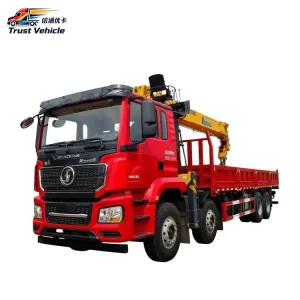
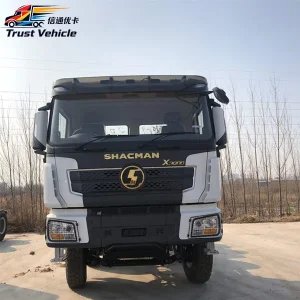
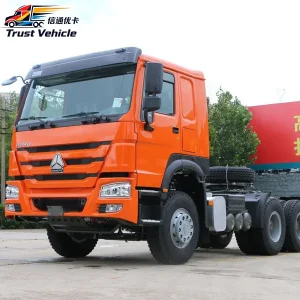
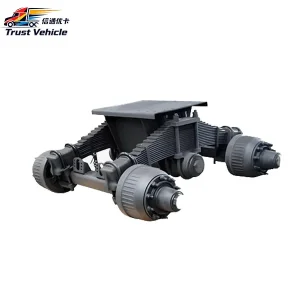
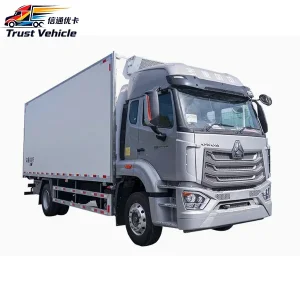
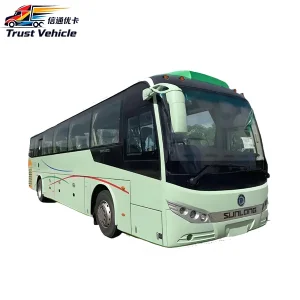
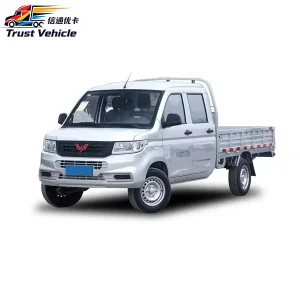
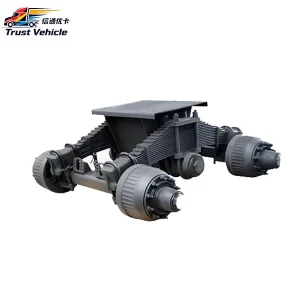
Explore a selection of heavy duty trucks, tanker trucks, and suspension parts designed to withstand demanding transport challenges.
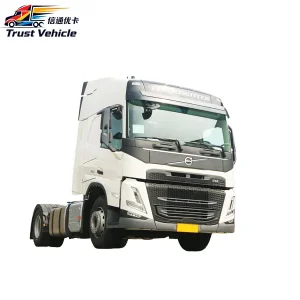
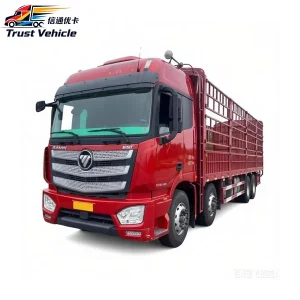
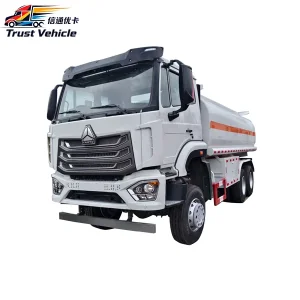
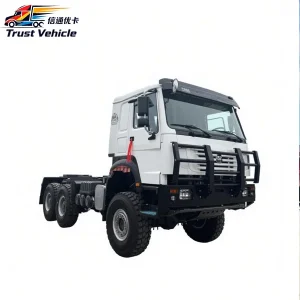
Expert answers addressing regulatory, chemical, and engineering concerns of import partners and fleet directors.
Brake shoes imported into Colombia must satisfy rigorous safety and environmental requirements. Chief among these is the submission of the **Certificado de Conformidad (Certificate of Conformity)**, proving the products meet either ECE R90 standards or the United States' FMVSS 121 criteria. The Ministry of Commerce, Industry, and Tourism (MINCIT) checks imports to ensure that zero asbestos content is present, inline with National Law 1968 of 2019. Testing documents must verify friction stability under load, structural shear strength, and the composition of the lining.
**Semi-metallic linings** contain higher metal densities (steel, copper, or iron fibers), which offer excellent thermal conductivity. When traversing steep decents, these linings transfer heat away from the friction interface, helping prevent brake fade. **Low-metallic linings** use a higher ratio of organic fibers combined with less steel, providing quiet operation and good cold friction performance. For heavy-duty fleets operating on steep gradients, semi-metallic linings are preferred for their heat dissipation capabilities and structural integrity under prolonged thermal stress.
Ley 1968 of 2019 prohibits the exploitation, production, commercialization, and import of any products containing asbestos. As a result, Chinese manufacturers supply **100% Non-Asbestos Organic (NAO)** or semi-metallic formulations. Import consignments must be clearly documented with material safety data sheets (MSDS) and testing reports certifying 0% asbestos content. This ensures smooth clearance at ports such as Buenaventura and Cartagena.
The service life of brake components depends on vehicle load, road terrain, and driver behavior. Under normal conditions on highway logistics routes, premium semi-metallic linings typically last between **80,000 km and 100,000 km**. However, for dump trucks operating in mining regions or along steep Andean corridors, service life can decrease to **40,000 km to 60,000 km** due to heavy brake applications and grit exposure. Using linings with wear indicators can help prevent drum wear by signaling when replacements are needed.
Brake glazing occurs when friction material is subjected to temperatures beyond its design limit. Under these conditions, organic binders in the lining melt and form a smooth, glass-like surface that reduces stopping power. To prevent glazing: 1. Ensure drivers use engine compression brakes (retarders) to control descent speeds. 2. Install linings formulated with high-quality resins and thermal-stabilizing metals that withstand temperatures up to **400°C** without breaking down. 3. Check drum-to-lining contact margins to avoid uneven pressure spots.
When a fully loaded dump truck brakes on a steep incline, extreme shear forces are generated at the interface between the friction lining and the steel shoe. If the shear strength is insufficient, the lining can shear off the shoe, resulting in immediate brake failure. High-quality brake shoes must exceed a **shear strength limit of 1.5 MPa** (as tested by Link/Chase equipment). This structural reliability is achieved through heavy-duty steel riveting and high-temperature curing adhesives.
**Shijiazhuang Trust Vehicle Industry Co.,Ltd** offers tailored customization and preparation services before exporting vehicles. This includes modifying chassis systems, updating suspension configurations, and installing mountain-rated brake drums and certified asbestos-free brake shoes. Our team manages testing, ensures compliance with Colombian import regulations, and coordinates export logistics from northern Chinese industrial zones directly to major Colombian ports.
**Riveted linings** utilize high-tensile brass or aluminum rivets to secure the friction material to the cast or stamped steel shoe. They are highly resistant to thermal expansion stresses and are easier to replace in typical workshop environments. **Bonded linings** use high-performance adhesive cured under heat. This provides a continuous surface area and eliminates the risk of scoring the brake drum with exposed rivet heads as the lining wears down. For heavy commercial vehicles in Colombia, a combination of bonding and riveting is often used for maximum safety.
Drum brake linings are equipped with visual wear indicators or grooves cut into the friction block. During inspection, mechanics check these indicators through the dust shield viewing ports. If the lining thickness has worn down to the bottom of the indicator groove, or measures less than **6mm** (on heavy truck shoes), it is time to replace the lining to protect the brake drum from damage.
Shipments typically originate from major ports such as Tianjin (nearest to Shijiazhuang), Qingdao, or Shanghai. Ocean transit times to the Pacific port of **Buenaventura** range from **28 to 35 days**, while routes to Atlantic ports like **Cartagena** or **Barranquilla** take approximately **35 to 45 days** via the Panama Canal. Air freight options are available for urgent component orders, reducing transit times to **5 to 8 days**.