TRUST VEHICLE
TRUST VEHICLE
TRUST VEHICLE
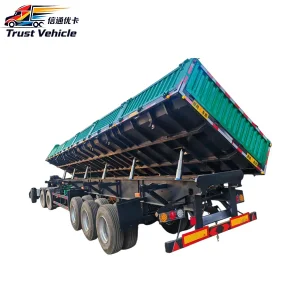
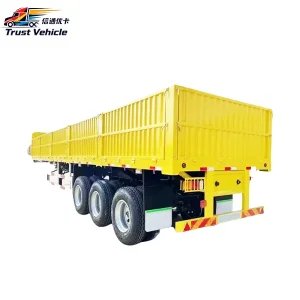
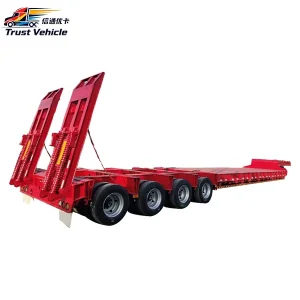
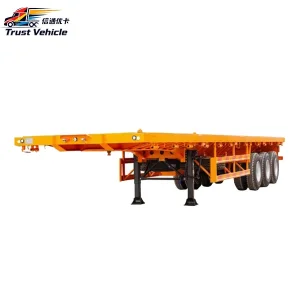
Mexico City (CDMX) acts as the central heart of the Mexican transportation grid, connecting vital industrial corridors such as the Toluca-Lerma industrial zone, the Querétaro-CDMX logistics highway, and the key seaport gates of Veracruz and Manzanillo. As global supply chains undergo structural shifts, the nearshoring phenomenon has positioned Mexico as the premiere export hub to the United States. Consequently, the demands placed on logistic operators within the Valley of Mexico have escalated exponentially.
Operating a fleet within this metropolitan area requires navigating distinct geographical and infrastructural hurdles. Most notably, Mexico City sits at an elevation of 2,240 meters above sea level, surrounded by mountainous topography. This extreme altitude results in lower atmospheric density, creating thermal and mechanical stresses on tractor-trailer powertrains and demanding highly robust, aerodynamically and structurally sound trailer bodies. The descending mountain highways, such as the infamous Cumbres de Maltrata, necessitate advanced braking systems and high-stability chassis systems to guarantee safety and compliance.
Heavy transportation in Mexico is strictly governed by the standard NOM-012-SCT-2-2017, which details the maximum weight and dimensions allowed for motor transport vehicles. Fleet owners sourcing semi-trailers from global exporters must prioritize structural design compliance to prevent severe fines, operational downtime, or catastrophic structural failure on rugged highway paths.
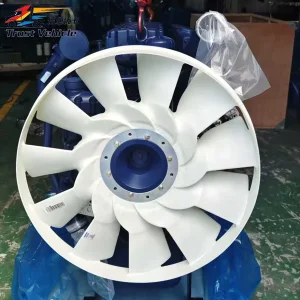
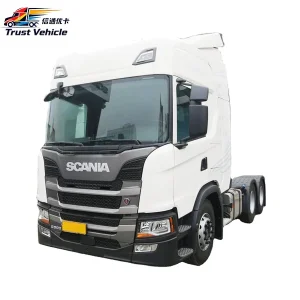
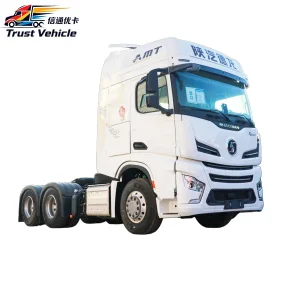
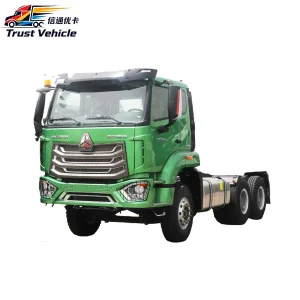
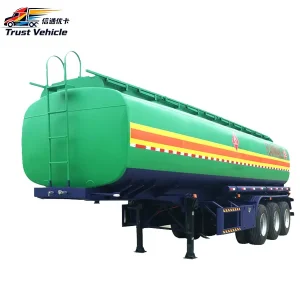
In the globalized logistics market, purchasing semi-trailers directly from premier Chinese Factory 4.0 manufacturing hubs provides a strategic economic edge. Leading manufacturers utilize high-precision automation, integrating robotic sub-arc welding, laser cutting, and cathodic electrophoretic coating lines. This modern technology guarantees that every structural member of a flatbed or lowbed trailer achieves consistent metallurgy, reducing weld stress zones that are prone to cracking under heavy cargo applications.
Furthermore, standardizing production under Industry 4.0 processes offers unmatched cost efficiency. From the raw procurement of steel profiles to the final assembly of complex multi-axle configurations, Chinese manufacturers minimize production errors and passing costs down. By sourcing from a centralized export leader, fleets in Mexico City receive customized vehicles designed to withstand local road stresses at a capital expenditure level that significantly outperforms domestic or regional suppliers.
To ensure seamless delivery into the Mexican market, custom shipping methods are deployed. Vehicles are transported via Ro-Ro (Roll-on/Roll-off) or flat rack container options from ports such as Tianjin and Qingdao to the ports of Manzanillo or Veracruz, ensuring that the equipment arrives without saltwater rust degradation and ready for immediate deployment.
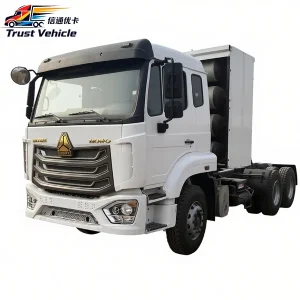
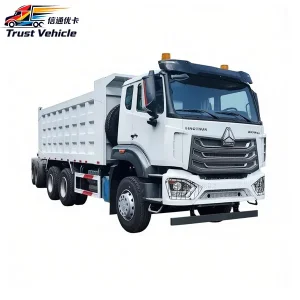
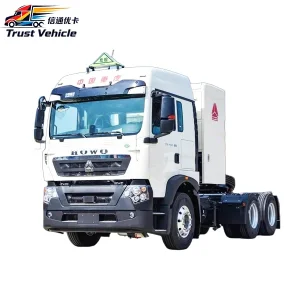
Shijiazhuang Trust Vehicle Industry Co.,Ltd was established in 2025 and is headquartered in Shijiazhuang, Hebei Province. It is a comprehensive enterprise focusing on the export of used commercial vehicles、used cars and used engineering vehicles. Relying on the advantages of the largest commercial vehicle industry cluster in northern China, the company integrates high-quality vehicle sources in the Beijing-Tianjin-Hebei region and is committed to providing global customers with cost-effective vehicle procurement, maintenance and modification, export logistics and after-sales support one-stop services.