TRUST VEHICLE
TRUST VEHICLE
TRUST VEHICLE
Premium grade semi-trailers designed to handle specialized cargo requirements within Tokyo's metropolitan and port regions.
Established in 2025 and headquartered in Shijiazhuang, Hebei Province, Shijiazhuang Trust Vehicle Industry Co.,Ltd is a premier comprehensive enterprise focusing on the export of high-caliber used commercial vehicles, specialized semi-trailers, used cars, and heavy-duty engineering machinery.
Leveraging the structural advantages of the largest commercial vehicle industry cluster in northern China, we integrate high-grade vehicle resources across the Beijing-Tianjin-Hebei region. Our mission is to supply global logistics systems, particularly high-standard markets like Tokyo, Japan, with unmatched procurement, custom maintenance, rigorous retrofitting, robust export logistics, and comprehensive after-sales support.
A comprehensive analysis of heavy transport dynamics, logistics regulations, and import optimization in the Kanto region.
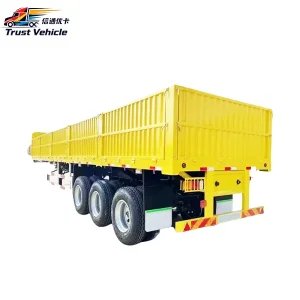
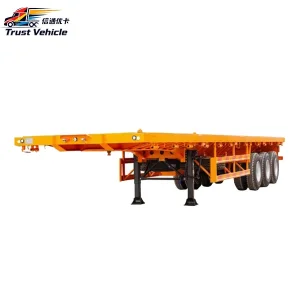
Tokyo, as the economic hub of Japan, anchors one of the most sophisticated logistics networks globally. The Keihin Port complex—comprising the ports of Tokyo, Yokohama, and Kawasaki—processes millions of TEUs annually. Moving these vast volumes of dry goods, bulk construction materials, and heavy industrial machinery requires highly specialized transport configurations.
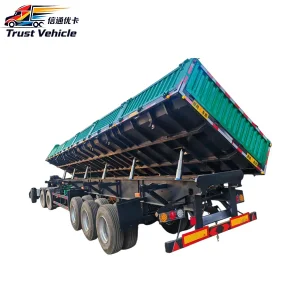
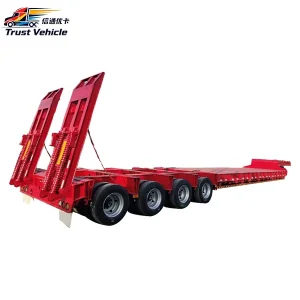
Furthermore, Tokyo's construction sector is continually undergoing massive urban redevelopments and infrastructure upgrades, driving the demand for high-strength Lowbed Semi Trailers and Side Tipper Semi Trailers. The narrow urban expressways and strict payload weight distribution rules require trailers manufactured with high-tensile steel, lightweight structural designs, and advanced multi-axle configurations (such as steerable axles) to optimize maneuverability and highway safety.
Historically, Japanese logistics firms sourced transport equipment domestically. However, the macro-economic shifts of recent years have placed massive focus on cost efficiency and manufacturing speed. By leveraging China’s premium vehicle industry clusters—centered in Northern China regions like Shijiazhuang and Hebei—Tokyo operators gain major competitive advantages:
Exporting transport equipment to Japan demands strict adherence to local regulations. Our technical teams cooperate closely with Tokyo importers to ensure compliance with the Road Vehicle Act and safety guidelines set by the Ministry of Land, Infrastructure, Transport and Tourism (MLIT).
This includes the optimization of overall width (under 2.5 meters for standard operation), axle spacing to comply with the bridge formula weight regulations, and installation of Japan-compatible air brake systems (Wabco / Knorr-Bremse ABS). Custom lighting, reflective conspicuity markings, and electrical systems compatible with Japanese tractor units are carefully calibrated before export.
In alignment with Tokyo's municipal goal to achieve net-zero carbon emissions by 2050, modern trailers must contribute to fuel efficiency. Modern logistics companies are shifting toward aerodynamic sidewall designs and lower-weight chassis to minimize rolling resistance. Incorporating telemetry and smart axle-monitoring sensors allows operators to track tire pressure, load metrics, and structural wear in real time, shifting maintenance from reactive to predictive.
Every semi-trailer frame undergoes load-stress testing, weld ultrasonic inspection, and anti-corrosion coating processes before leaving our factory.
Engineered to meet MLIT regulations, including specific axle configurations, braking safety standards, and overall road dimension limits.
Seamless ocean transit via RORO (Roll-on/Roll-off) or flat rack container setups from Tianjin Port straight to the Port of Tokyo.
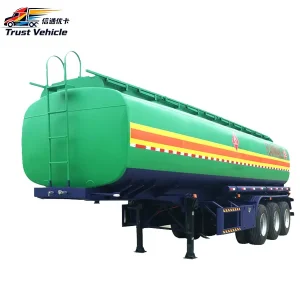
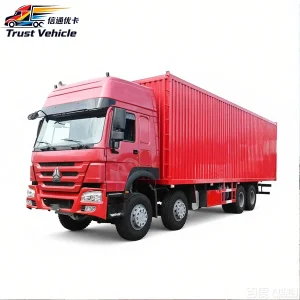
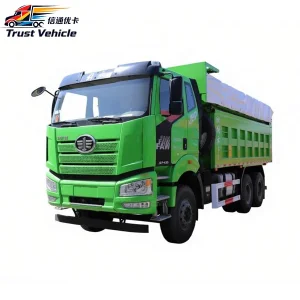
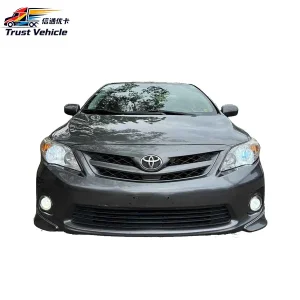
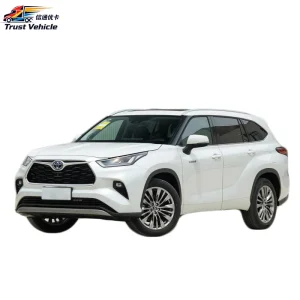
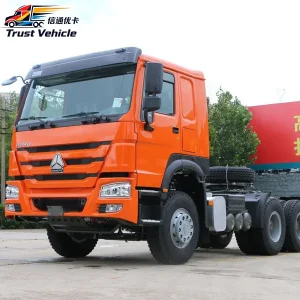
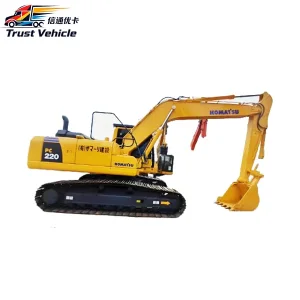
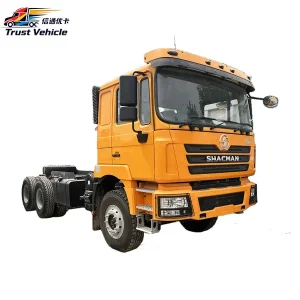
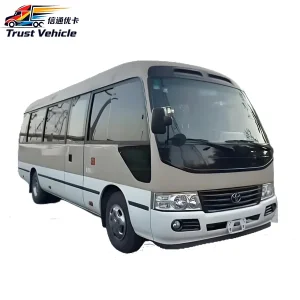
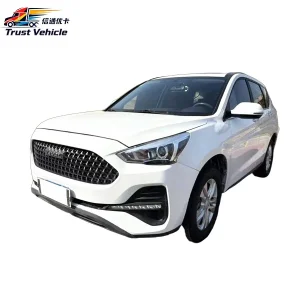
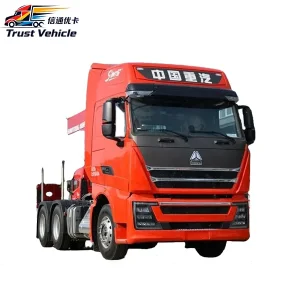
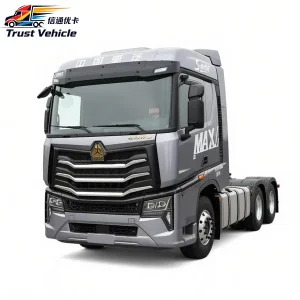
Explore our multi-category fleet options, ranging from heavy fuel tanker trailers to premium-condition pre-owned heavy trucks and excavation machinery.
How we ensure complete peace of mind, from structural customization to Tokyo Port clearance.
We analyze your cargo characteristics, weight distribution demands, and vehicle dimension limitations under Tokyo's metropolitan road laws.
We adjust structural chassis details, install heavy-duty Japanese standard components (FUWA/BPW axles, ABS systems), and coordinate paint specs.
Every commercial vehicle or trailer is subjected to structural weld testing, multi-point mechanical inspections, and performance diagnostics.
We manage regional transit, custom declaration certificates at China ports, and orchestrate RORO or bulk transport straight to Tokyo Port.
Expert answers regarding importing commercial trailers, used trucks, and equipment to Tokyo.
Connect with our expert team to configure, quote, and import premium heavy-duty trailers and commercial trucks tailored for your operational requirements.
Send Inquiry Now