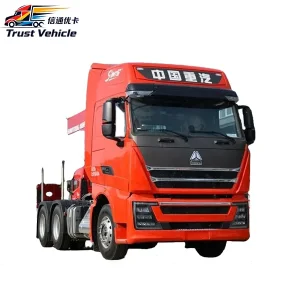
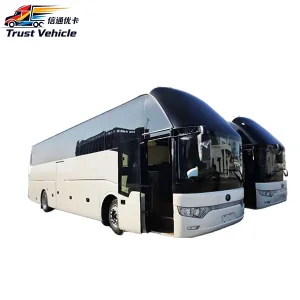
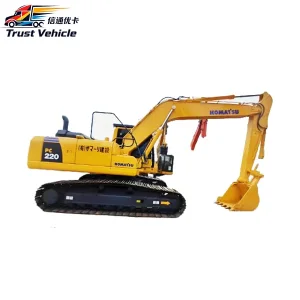
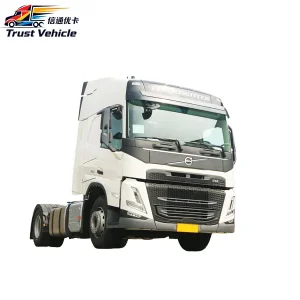
TRUST VEHICLE
TRUST VEHICLE
TRUST VEHICLE
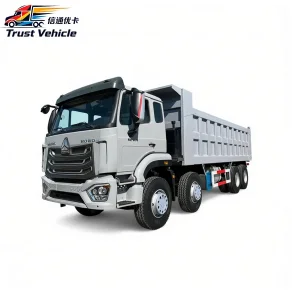
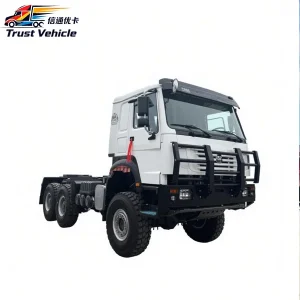
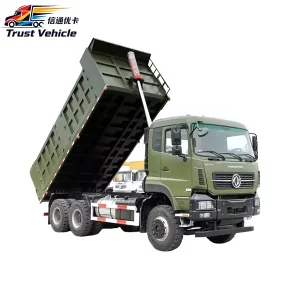
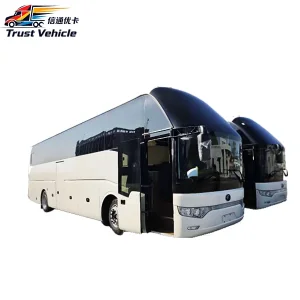
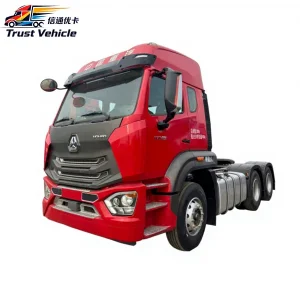
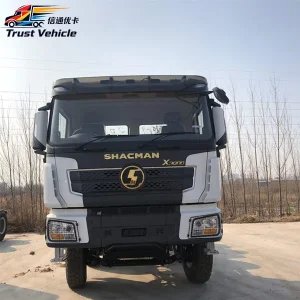
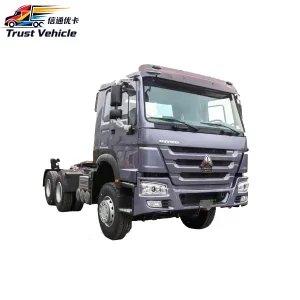
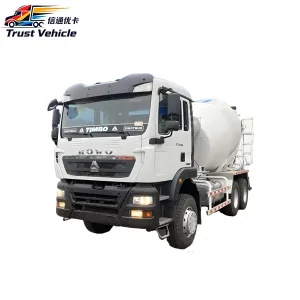
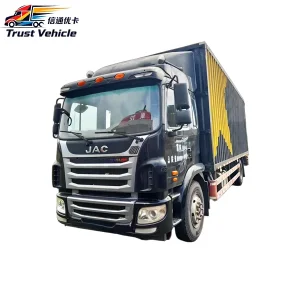
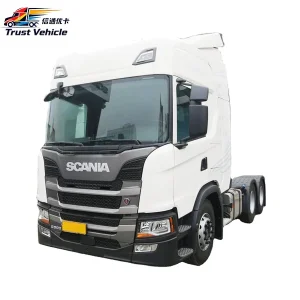
Engineered to meet European road safety standards, these selected heavy-duty vehicles represent our core capability in high-load structural wheel hubs and chassis integration.
Heavy Commercial Fleet Market
High-Tensile Ductile Iron Standard
Ultrasonic Flaw Detection
Automotive Certification Alignment
Poland stands as the undisputed logistical heart of Central and Eastern Europe (CEE). Operating the largest commercial vehicle fleet in the European Union, Poland's transportation networks shoulder the bulk of transit trade traversing between East-West and North-South corridors. With the ongoing expansion of the Baltic ports (Gdańsk and Gdynia) and massive investments in roads like the Via Carpatia, the demand for highly resilient vehicle components has reached an all-time high.
Commercial vehicle wheel hubs, as crucial safety-critical components bridging the chassis and the road, undergo extreme operational stress in Poland's diverse topography and seasonal climates. Severe winters require hubs treated with premium anti-corrosive coatings to resist salt damage, while high-frequency highway routes necessitate integrated tapered roller bearings optimized for heat dissipation and low rolling resistance. For Polish fleet operators, sourcing wheel hubs from manufacturers who understand these rigorous requirements is not merely a purchasing decision, but a core strategy for minimizing downtime and ensuring transit safety.
The global heavy commercial vehicle market is undergoing a transition from traditional grey iron hub designs to lightweight, high-tensile material compositions. This transition is motivated by strict EU emission targets and the need to maximize payload efficiency. Modern wheel hubs must satisfy dual constraints: weight reduction and high structural integrity.
To address this, leading manufacturers leverage ductile iron (QT450-10, QT500-7) and micro-alloyed steels, which offer superior yield strength and impact resistance compared to standard casting options. These advanced materials prevent premature fatigue cracking around bolt holes, a common failure mode in heavy trailers. Additionally, integrated unitized hubs (where bearings and hubs are pre-assembled and sealed for life) are rapidly replacing conventional designs to eliminate bearing adjustments during maintenance.
Utilization of high-grade ductile iron QT500-7 to ensure optimal balance of elongation, tensile strength, and impact resistance in sub-zero Polish winters.
Every hub design undergoes radial and cornering fatigue testing exceeding 1.2 million cycles to simulate long-distance transit across EU expressways.
Application of advanced Geomet or Dacromet coatings offering salt-spray resistance exceeding 720 hours without environmental degradation.
Located in the Beijing-Tianjin-Hebei industrial cluster, Chinese manufacturing facilities like ours leverage robust domestic supply chains to deliver high-quality automotive components at competitive prices. As raw material procurement, precision casting, multi-axis CNC machining, and quality assurance are clustered regionally, production cycles are streamlined significantly compared to fragmented suppliers elsewhere.
By implementing advanced automation, such as DISA casting lines and automated CNC cells, we ensure consistent tolerance controls within microns. This mechanical consistency ensures that each hub mounts perfectly onto axles, preventing vibrations that accelerate tire wear and harm fuel economy. For European distributors, partnering with a Chinese supplier offers a strategic advantage: high manufacturing capacity, reliable delivery timelines via major shipping lines, and strict compliance with EU technical specifications.
Shijiazhuang Trust Vehicle Industry Co.,Ltd was established in 2025 and is headquartered in Shijiazhuang, Hebei Province. It is a comprehensive enterprise focusing on the export of used commercial vehicles, used cars and used engineering vehicles. Relying on the advantages of the largest commercial vehicle industry cluster in northern China, the company integrates high-quality vehicle sources in the Beijing-Tianjin-Hebei region and is committed to providing global customers with cost-effective vehicle procurement, maintenance and modification, export logistics and after-sales support one-stop services.
Our expertise in vehicle structures, particularly the stress tolerances of heavy-duty running gear and axle components, allows us to source and manufacture replacement parts that withstand the most demanding shipping and operational environments globally, ensuring every vehicle delivered to Poland is ready for immediate deployment.
Detailed engineering answers regarding wheel hub integration, customs, and material specifications for Poland and the wider European market.
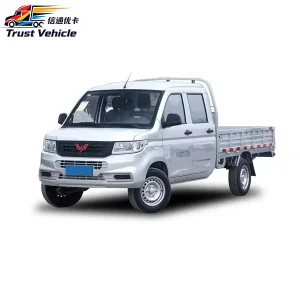
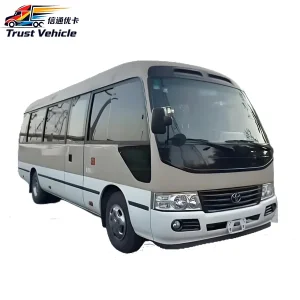
Explore our selection of commercial vehicles and excavators. Each vehicle undergoes axle and wheel hub inspections before export to ensure immediate operational readiness in Europe.